Solo Recuerdos Lyrics in English by Xavi, Los Aptos
Marchitó comes from the verb marchitar, meaning 'to wither' or 'to fade'. It's a vivid and somewhat melancholic word often used for plants, but here it's applied to emotions.
In the song, the lyric "Si nuestra flor se marchitó" (If our flower withered) uses this word metaphorically to ask if their love, symbolized by a flower, has died or faded away. This poetic imagery makes it a memorable and emotionally resonant word.
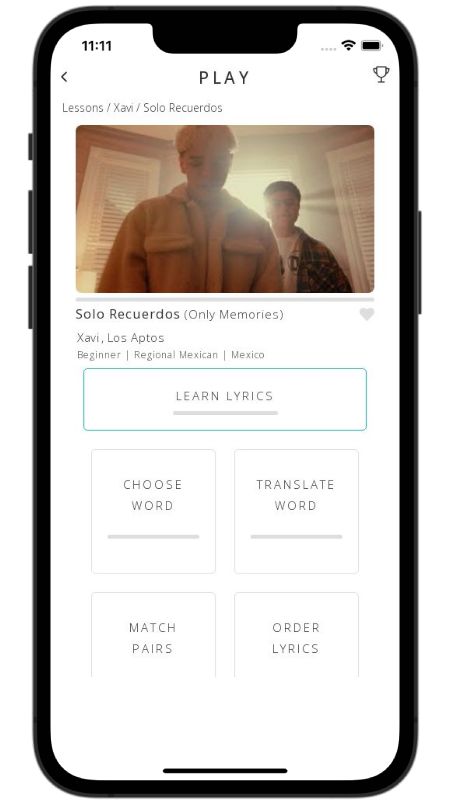
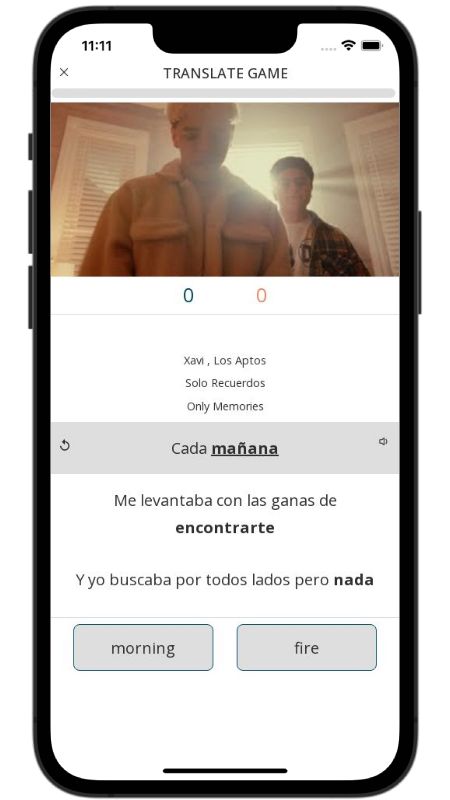
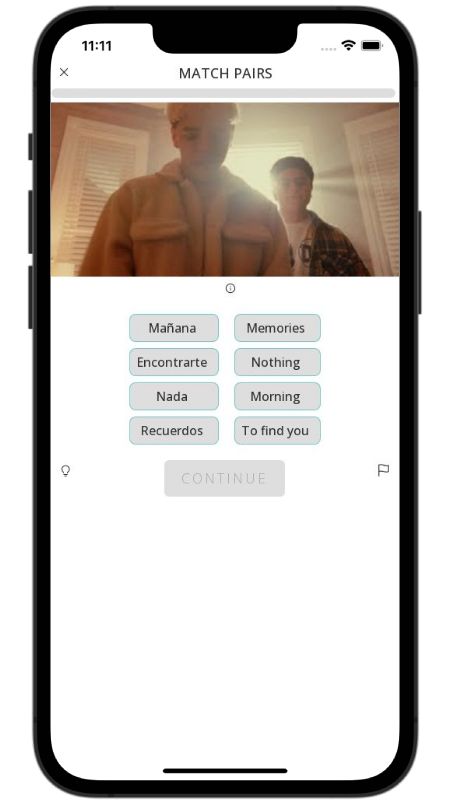
Waking up expecting to see someone who already packed up and left is the worst kind of morning routine. In "Solo Recuerdos", Mexican singer Xavi and Los Aptos tackle the stubborn confusion that hits right after a breakup. The singer starts by searching everywhere every single morning, only to crash into the reality that there are solo recuerdos (only memories) left. He directly calls out his ex with No digas que no extrañas lo de nosotros (Don't say you don't miss what we had), convinced she must feel the absence too, especially because she dejaste bien cerrada la puerta tú al salir (shut the door tight when you walked out).
What makes this track hit so hard is the desperate need for closure. He begs for a straight answer: Dime, mi amor / Si nuestra flor se marchitó (Tell me, my love, if our flower withered). He needs to hear it out loud so his head can finally take over from his heart and stop chasing el fuego que encendió nuestro corazón (the fire that lit up our hearts). When someone promised De aquí no me voy (I'm not leaving here) and vanished without giving a single reason (No te di razón para que te vayas de mí [I gave you no reason to walk away from me]), you are left holding broken promises and a head full of unanswered questions.