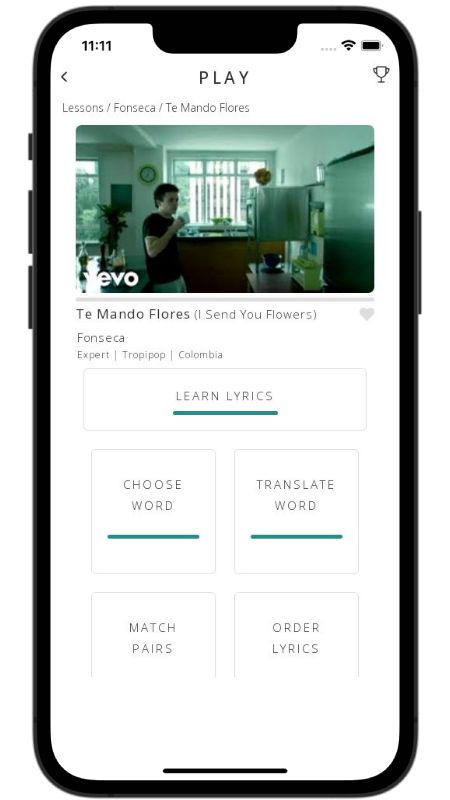
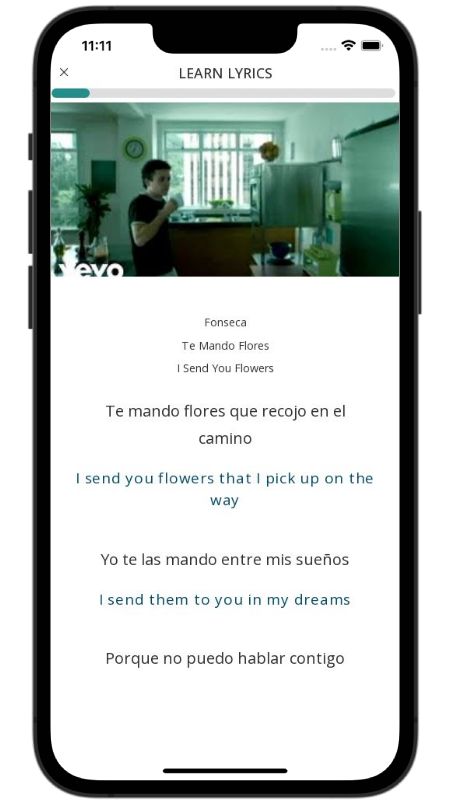
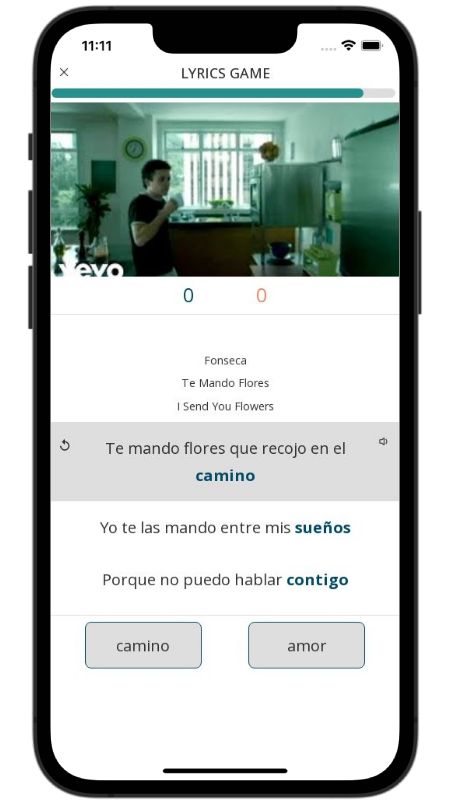
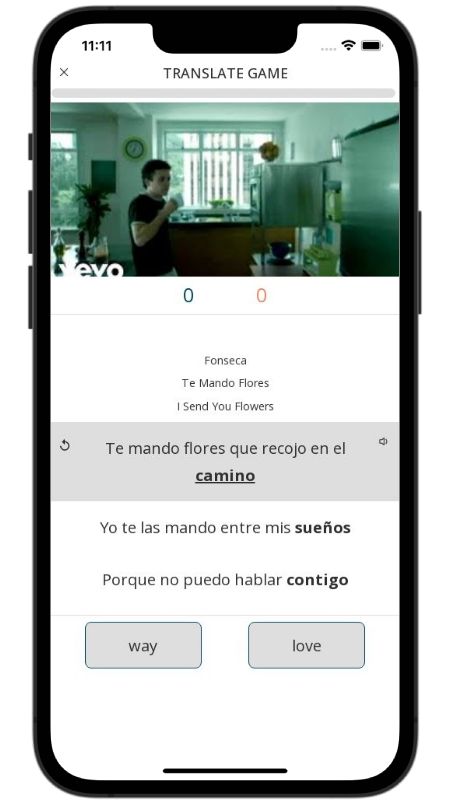
Te Mando Flores Lyrics in English by Fonseca
This charming word adds the diminutive suffix '-ito' to 'temprano' (early). In Spanish, adding '-ito' or '-ita' can make a word mean 'small', but it's often used to add a sense of affection, cuteness, or intimacy.
Fonseca uses 'tempranito' to paint a tender picture: "Bien tempranito levántate a regarlas" (Get up very early to water them). It transforms a simple command into a sweet, caring suggestion, showing how a small change to a word can add a lot of emotion.
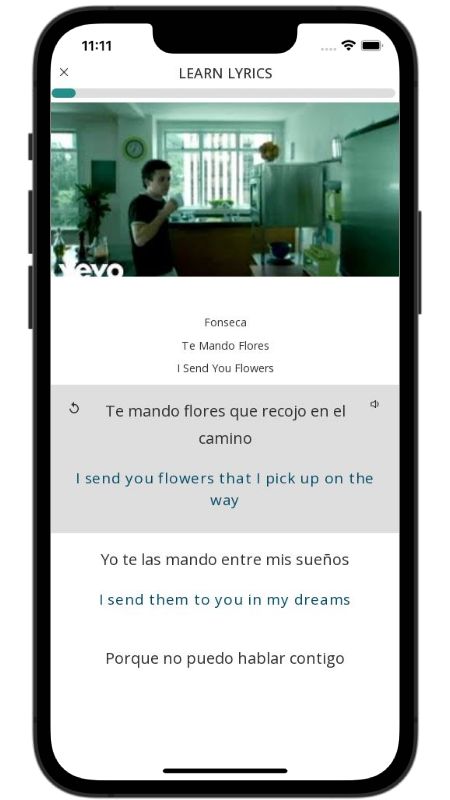
If you are stuck far away from someone you love, this sunny tropipop track from Colombian singer Fonseca shows you how to turn longing into a sweet ritual. The narrator cannot speak directly with his partner, so he invents his own way to reach her. He collects wild flowers along his path and sends them through his dreams, whispering, "Te mando besos en mis canciones" ("I send you kisses in my songs"). He spends his days rehearsing "diez mil palabras" ("ten thousand words") just to convince her that staying together will be worth the wait. It turns the ache of distance into something warm, where even a chilly morning vanishes because her memory heats him right up.
Things get delightfully playful toward the end, where Fonseca drops the dreamy poetry and gives very specific home decor instructions. He tells her to put the brightest red blossoms right by the front door, get up early to water them, and actually name each flower so they "atiendan siempre tu llamada" ("always answer your call"). He suggests calling the chubbiest one "Cosita linda" ("Cute little thing") and naming the daisy Mariana. In Colombian Spanish, sweet nicknames like "mi niña linda" ("my pretty girl") and "cosita linda" are everyday terms of endearment, but assigning them to actual potted plants gives the song its charm. It is an affectionate promise that no distance can truly keep two lovers apart.