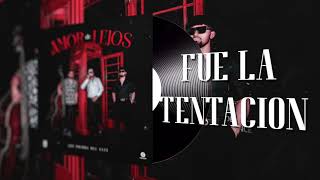
Pleito Con Cupido Lyrics in English by Los Primos del Este
Perjuro comes from the verb perjurar, which means to 'perjure' or 'swear falsely'. It's a strong word often associated with legal contexts, but here it's used in a more personal, dramatic sense.
In the song, the singer repeatedly says, "Me juro y perjuro que no voy a regresar" (I swear and swear falsely that I'm not going to return). This highlights the internal conflict and the broken promises he makes to himself about not going back to a toxic relationship, making it a very engaging and relatable word for anyone who's struggled with a similar situation.
"Pleito Con Cupido" is about a man stuck in the same cycle: he keeps promising himself he's done with someone, and he keeps going back. The opening line sets the tone with a wry comparison, an ice cream melting in the sun outlasted his resolve to stay away.
He blames Cupid directly. He's picking a fight with his own pride because it's always the same story, he swears he won't return, then comes crawling back "like a repentant dog." His real complaint is that Cupid only ever aims an arrow at this one person for him, never at someone who might actually love him the way he wants to be loved.
By the end he's just tired and unsure, torn between going back to her and sitting with his loneliness. Every time he does return things go fine for a while, until she tells him again that she can't do this anymore, and the cycle starts over.