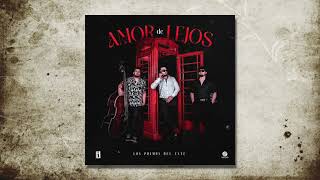
Toxicuh Lyrics in English by Los Primos del Este, Briant Rangel
Chanza is a regional, conversational word meaning “chance” or “opportunity.” In the song, “No me diste chanza para desahogarme” means “You didn’t give me a chance to vent,” making it a memorable example of Mexican Spanish slang.
“Toxicuh” is a blunt breakup argument in which the singer refuses to accept all the blame. He says his partner calls him bad and claims he failed her, but he insists, “te fui fiel” [I was faithful to you]. He wants to know why she suddenly played with him and withheld attention until he discovered something. Then comes the song’s main act of defiance: “mi mundo no para por ti” [my world does not stop for you]. The line is simple, but it hits hard. He is hurt, yet he refuses to let the relationship control his life.
The second part gets even more specific. He says she caused damage and describes “drogarme” [drugging me], which he calls a tactic to leave him. He checks the cameras, finds out what happened, and decides he no longer cares that she is with someone else. His final answer is wonderfully blunt: “mi mota la voy a fumar” [I’m going to smoke my weed]. Here, “mota” is slang for marijuana, and “me vale pura madre” means “I really do not care,” in a strong, rough way. The song mixes accusations, surveillance-camera drama, and a stubborn decision to move on in its own style.