Botas De Charro Lyrics in English by Lupillo Rivera
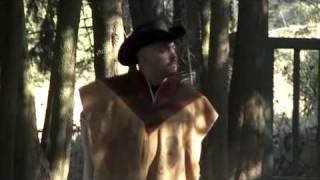
Botas de charro means "charro boots," footwear associated with the traditional Mexican horseman and the charro culture of horsemanship, mariachi, and ranch life. In the song, the boots evoke a vivid rural Mexican identity and connect the singer’s memories to pride, courage, and tradition.
“Botas De Charro” feels like a story told in broken flashes, moving from childhood devotion to a painful reunion. The singer remembers being so attached to someone that he did not want to spend “seis horas sin verte” [six hours without seeing you]. Then comes a blunt rejection: “te gustan los hombres y aburren los niños” [you like men, and children bore you]. The song’s images are wonderfully specific: a boy who did not go to school, a mustache, a pistol, a horse, and the courage to go barefoot. The botas de charro, or charro boots, suggest the proud Mexican horseman style that the singer wants to embody, even while the story keeps showing how young and vulnerable he is.
Later, he admits that he let time pass and fought against everyone. One night, the person from his past returns quietly, apparently with someone else, and the reunion leaves him with almost nothing to say. He mentions writing that person’s name and feeling his pride break into pieces. That contrast is what makes the song memorable: the bold figure with a horse, pistol, mustache, and charro boots is still hurt by an old goodbye. The lyrics are fragmentary, but their message is clear in the images: childhood love can leave a mark long after the years have moved on.