Otra Noche De Llorar Lyrics in English by Mon Laferte
finjas comes from the verb fingir, which means "to pretend" or "to feign". It's a word packed with drama and emotion, perfect for a song about a complicated love affair.
In "Otra Noche De Llorar", Mon Laferte sings, "Y por más que finjas que nada pasó..." (And no matter how much you pretend that nothing happened...). She's confronting a lover who is acting innocent, making this a powerful word that captures the song's core feeling of heartbreak and deception.
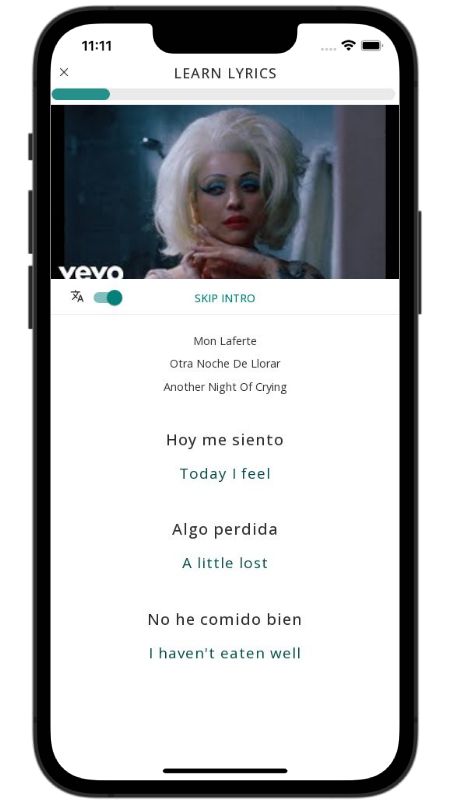
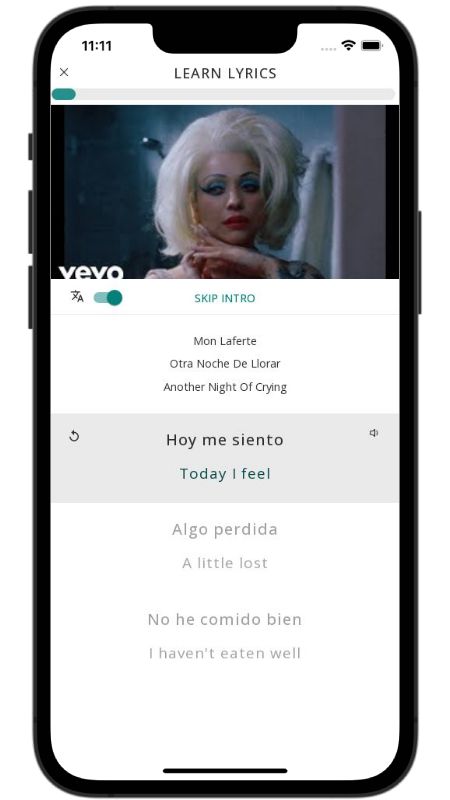
Mon Laferte sets the scene right away, and honestly, it is a messy holiday disaster. She is chain-smoking on an empty stomach ("No he comido bien / Todo me sale mal / Me fumé / Toda la cajetilla" [I haven't eaten well / Everything is going wrong for me / I smoked / The whole pack]), spiraling because the calendar says Christmas is coming and her love life is in ruins. The holidays make her weak ("Pero la Navidad / Me pone sentimental" [But Christmas / Makes me sentimental]), which derails her careful plans to break things off. Instead of moving on, she wonders what it would even feel like to get sick of this person ("¿Cómo será / Aburrirse ya de ti?" [What will it be like / To get bored of you already?]) while her physical senses refuse to cooperate: "No lo entiende la memoria de mis labios" (The memory of my lips doesn't understand it).
Then comes the sting of reality in a sudden phone call. She cuts the conversation short with "Ya te tengo que colgar / De seguro ella está a tu lado" (I have to hang up now / Surely she is by your side). In Spanish, colgar literally means "to hang," but just like in English, it is the standard verb for ending a call (hanging up the receiver). The relationship is a triangle, and while she insists "somos más" (we are something more), she faces the hard fact that the other woman is not going anywhere ("ella seguirá a tu lado" [she will remain by your side]). It is an honest, late-night confession about being stuck in an affair right when everyone else is celebrating.