Mi Corazoncito Lyrics in English by Aventura
Luto literally translates to "mourning," the period of grief and sorrow after a loss. It's a powerful word that immediately sets a dramatic and melancholic tone.
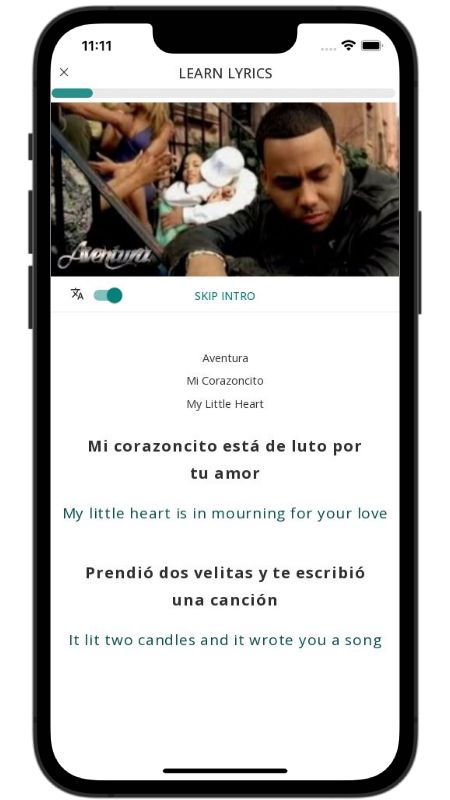
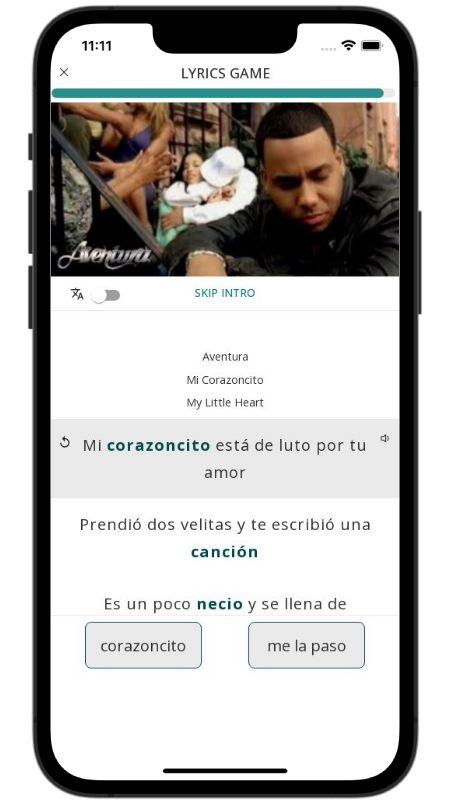
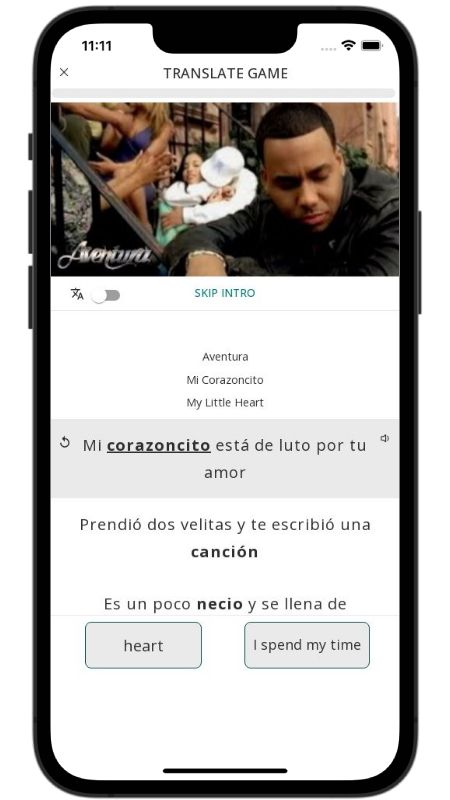
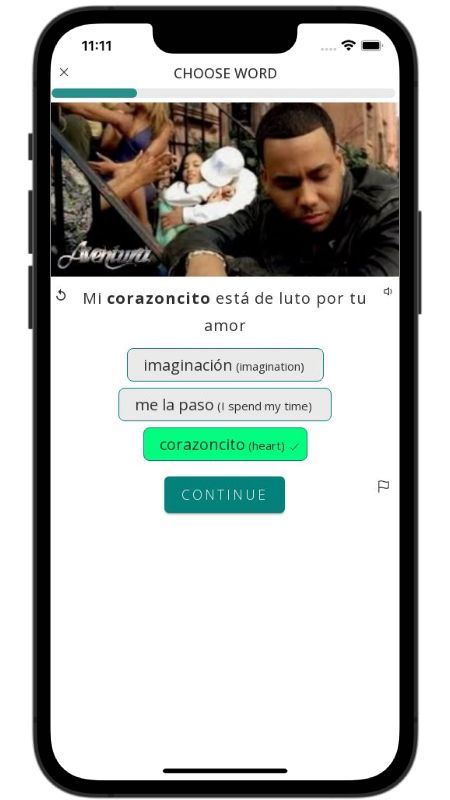
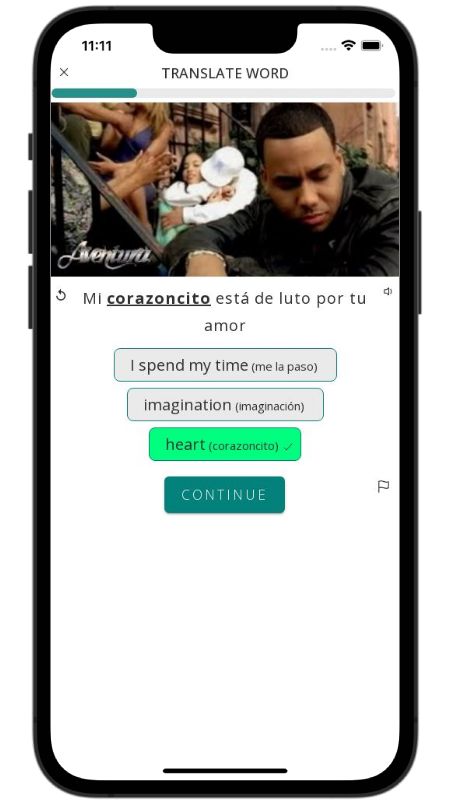
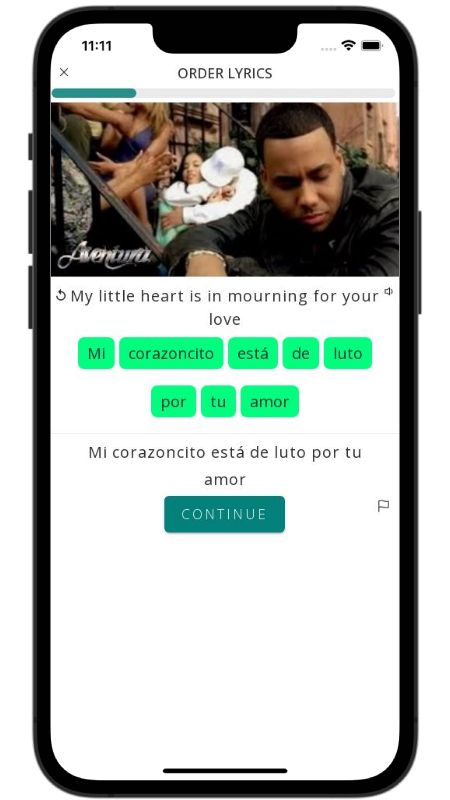
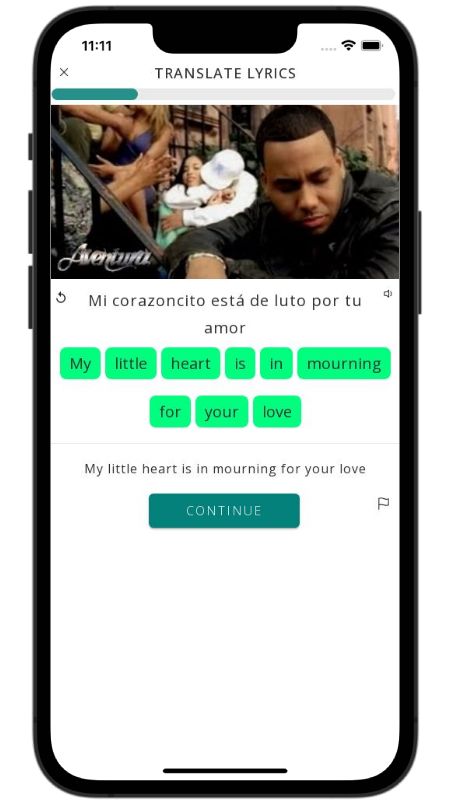
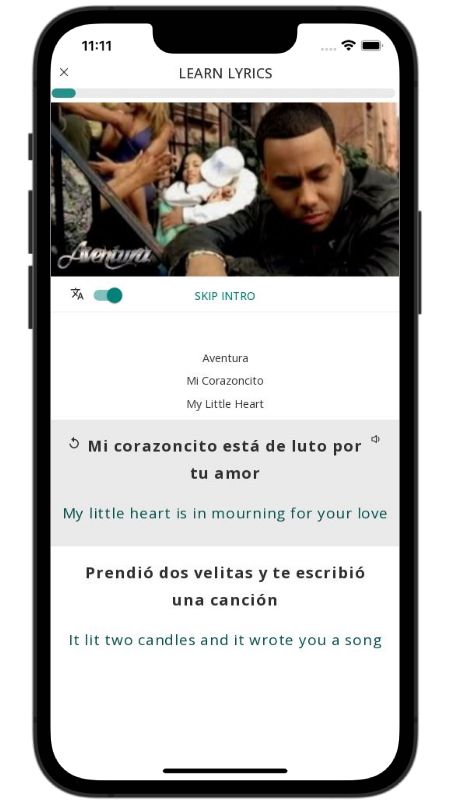
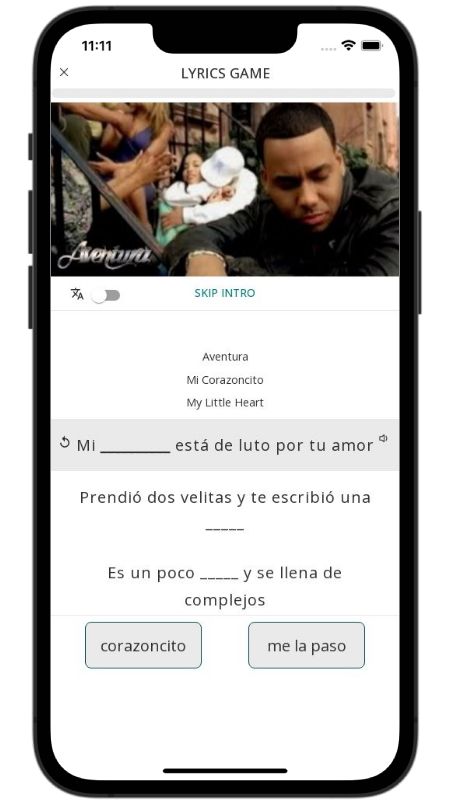
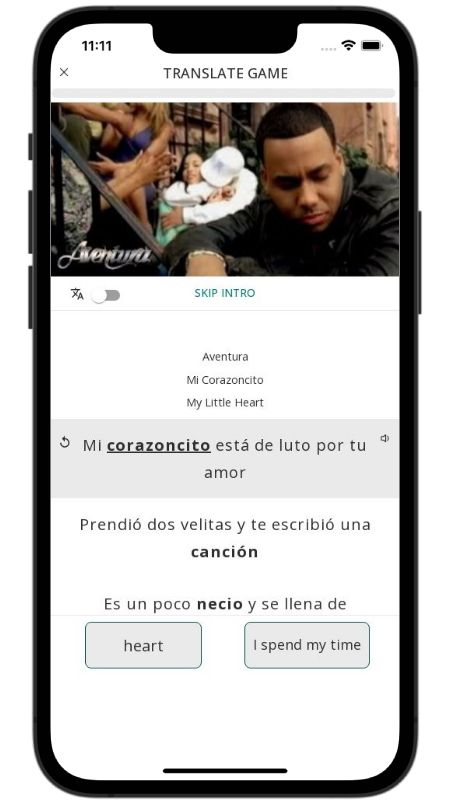
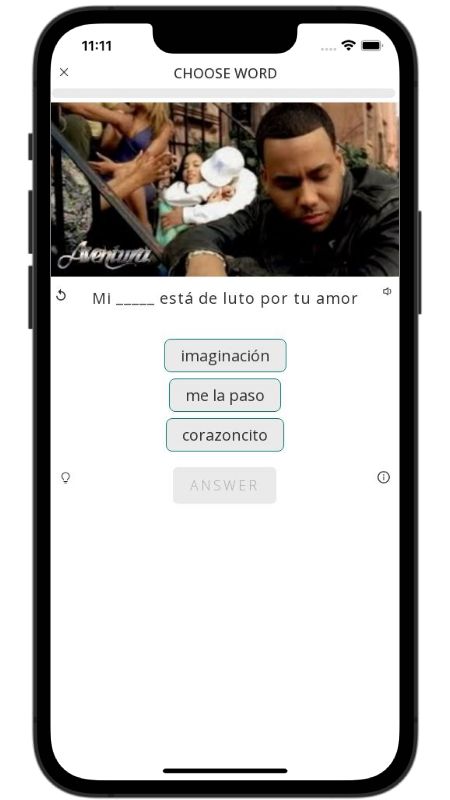
In the song, Aventura uses this word metaphorically in the iconic opening line: "Mi corazoncito está de luto por tu amor" (My little heart is in mourning for your love). By saying his heart is in mourning, he elevates his heartbreak to a profound sense of loss, as if his unrequited love has literally died.
In this bachata classic by the Dominican-rooted group Aventura, lead singer Romeo Santos plays a man who knows he is completely delusional about love and honestly does not care. His heart is literally in mourning—"prendió dos velitas y te escribió una canción" ("lit two little candles and wrote you a song")—dressed in black and waiting for affection that is not coming back. He admits his heart is stubborn and insecure, yet it still acts like it owns this person. Even though he knows she does not feel the same way ("tú no me correspondes" / "you don't love me back"), he begs everyone around him: "Déjenme soñar" ("Let me dream"). If he can only have her in his head, that fantasy is still better than reality.
Throughout the track, he begs her to keep his unreturned obsession a secret from the neighborhood ("No le digas a nadie... no se lo comente al pueblo" / "Don't tell anyone... don't tell the town"). He calls himself a "bohemio loco" ("crazy bohemian") and "el poeta de mil penas" ("the poet of a thousand sorrows"), which is classic Romeo leaning into full melodrama. You also hear his signature self-proclamations like "el chico de las poesías" ("the poetry boy") and "K.O.B" (short for "Kings of Bachata"), reminding everyone who is running the rhythm even while his heart is crying in the dark.