Fantasmas Lyrics in English by Humbe
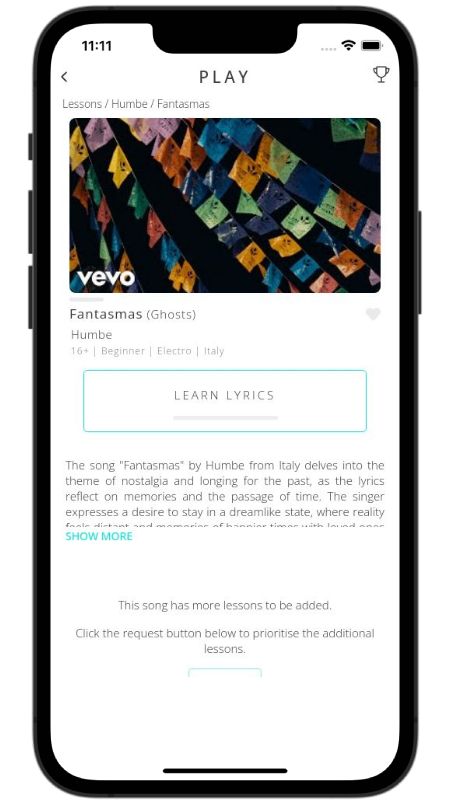
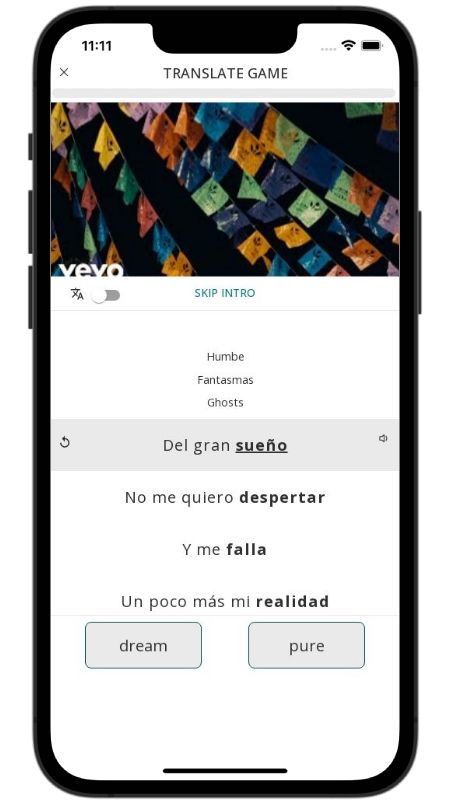
Fantasmas translates to "ghosts." This word is the title and central theme of this beautiful and emotional song about memory and loss.
Humbe cleverly turns the idea on its head, singing, "En esta casa no existen fantasmas, son puros recuerdos" (In this house, there are no ghosts, they're just pure memories). He suggests that the presences we feel of those we've lost aren't spooky apparitions, but rather the beautiful memories they left behind, which we should cherish.
Mexican pop artist Humbe takes on grief and memory in "Fantasmas", but he makes one thing clear right away: the house is not haunted. When he sings "En esta casa no existen fantasmas, son puros recuerdos" ("In this house, there are no ghosts, they are pure memories"), he is reframing loss. The figures lingering in the hallways are not scary spirits; they are just good times frozen in old picture frames. He compares his home to a personal gallery, singing "Tantas fotos llenando los marcos, mi propio museo" ("So many photos filling the frames, my own museum"). He does not care about material awards because those moments together are all he needs: "No hay muchos trofeos, con ustedes, tengo" ("There aren't many trophies, with you all, I have enough").
The track moves between celebrating someone who passed away ("Destellas el cielo y ahora te celebro" / "You light up the sky and now I celebrate you") and admitting how tough it is to face mortality head-on. Humbe gets remarkably direct when he notes "Hay que ser bien fuertes para ver a la muerte derecho y honrado" ("You have to be really strong to look death straight and upright in the eye"). The word derecho literally means straight or upright, used here to mean confronting death without flinching. Even with all that courage, he still wishes for one simple, warm goodbye: "Quiero estar juntitos tomarme contigo un último trago" ("I want to be close together, have one last drink with you"). It turns a heavy subject into an affectionate toast.