El Vallenato Lyrics in English by Maluma
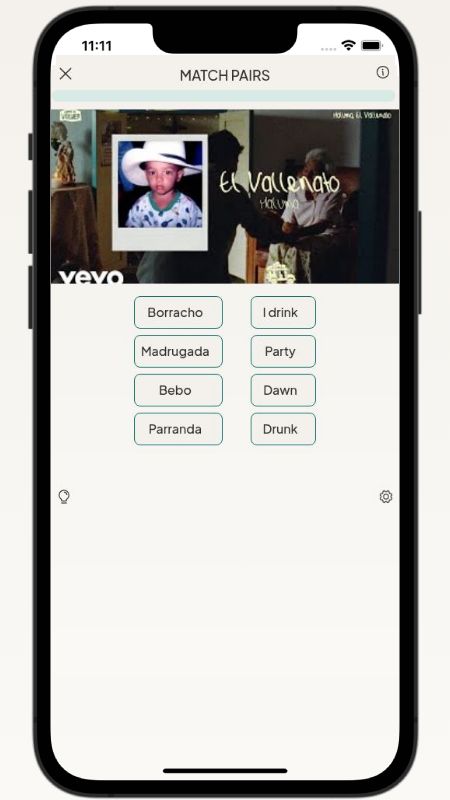
Parranda refers to a lively party or celebration, often spontaneous and involving music, especially in Latin American culture. While similar to 'fiesta', 'parranda' carries a more specific connotation of a festive gathering, often with a focus on traditional music like vallenato, which is the genre of this song.
In the lyrics, Maluma sings, "En la parranda que me quiten el cel porque luego me descacho" (At the parranda, they should take my phone away because then I mess up). This word perfectly captures the vibrant, social atmosphere of the song and its musical roots, making it an enticing and culturally rich word for learners.
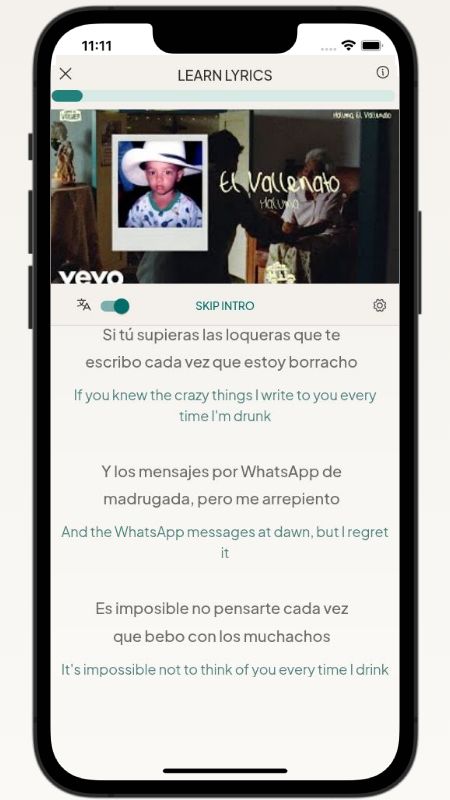
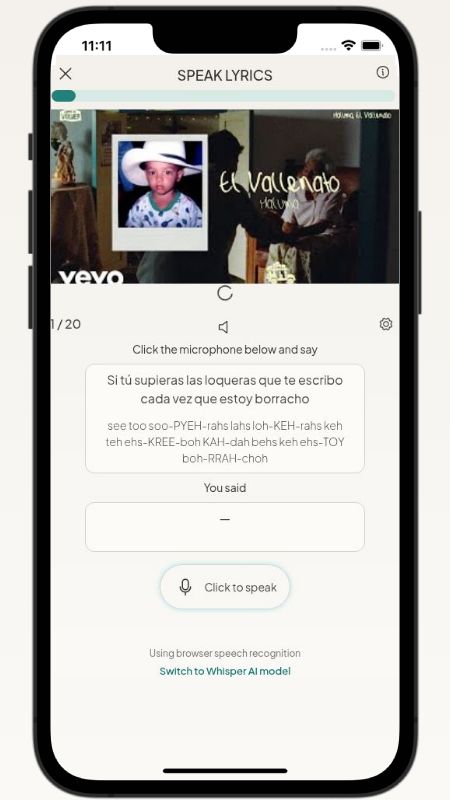
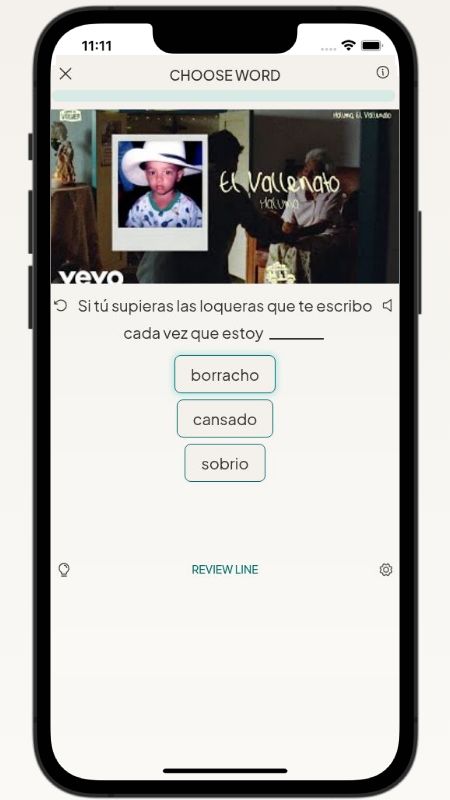
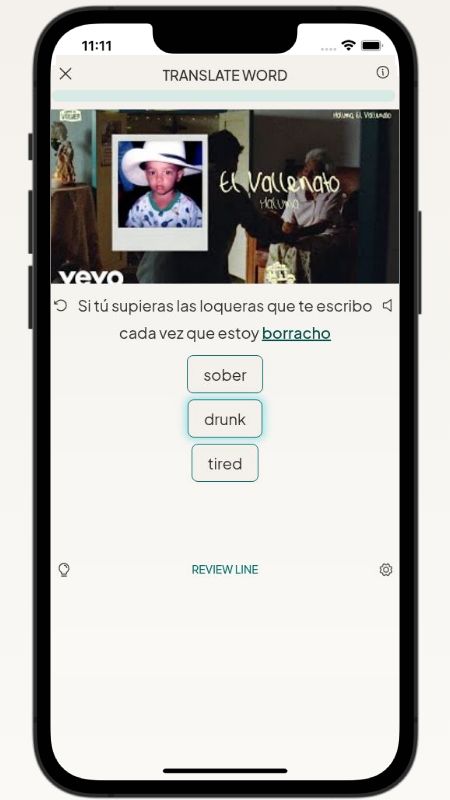
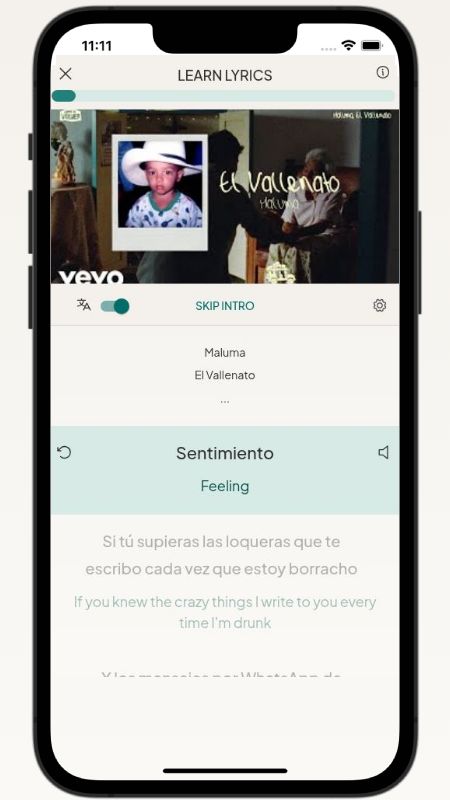
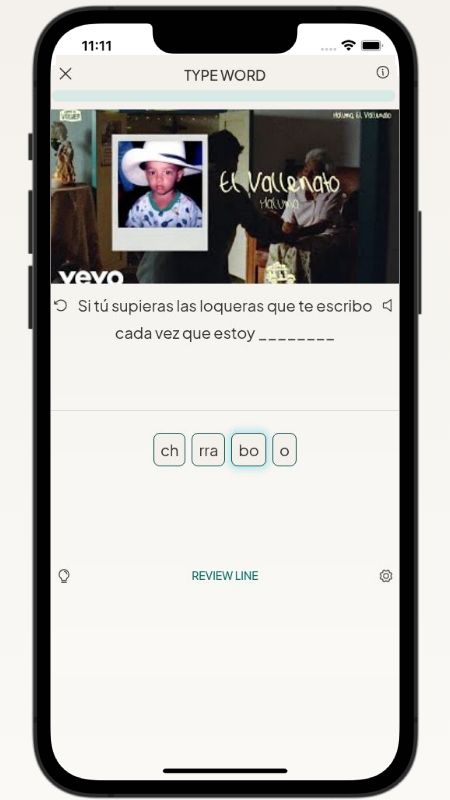
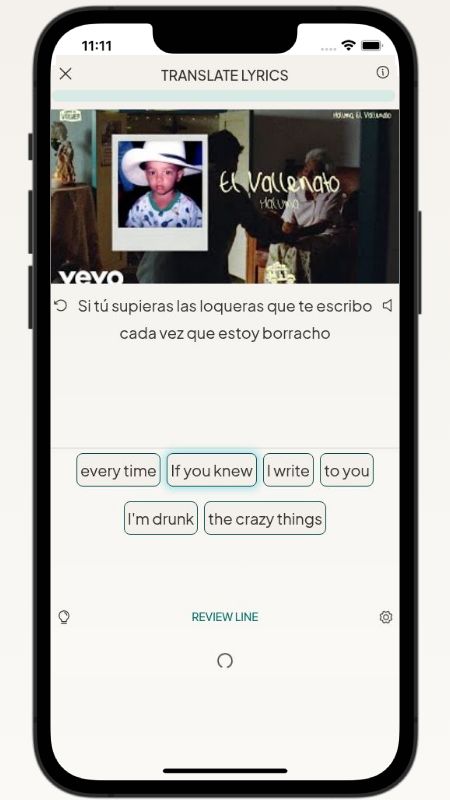
In "El Vallenato", Colombian star Maluma puts the spotlight on the messy, chaotic side of trying to get over an ex. He admits that as soon as he drinks with his friends, his self-control vanishes: "En la parranda que me quiten el cel porque luego me descacho" ("During the party, someone take my phone because otherwise I'll mess up"). The Colombian slang descacharse means to make a blunder or misstep, and here it means drunk-texting late at night on WhatsApp. He is hurting enough that he breaks down traditional macho pride, admitting "lo de llorar, también es pa' los hombres" ("crying is also for men") and even tells his family to ban her name from the house.
The chorus hits with funny, desperate honesty when he asks: "Si ya hice un doctorado / ¿Por qué el corazón no se ha curado?" ("If I already earned a doctorate, why hasn't my heart healed?"). He claims he feels fine during the day until the memories crash in, leaving pride as the only thin wall stopping him from texting her sober: "Díganle que la extraño / Y que no le escribo por orgullo" ("Tell her I miss her, and that I'm not writing to her out of pride"). It is a relatable, dramatic confession about how brains and willpower mean nothing when you are still stuck on someone.