Sobrio Lyrics in English by Maluma
Velorio is a wake, the vigil held for someone who has died. It's a somber and powerful word that you won't often hear in a pop song.
Maluma uses it metaphorically to express his heartbreak. He sings that while he dreamed of marriage, his partner is treating their relationship like a velorio—as if it's already dead and being mourned. This striking contrast paints a vivid picture of a love story ending in tragedy.
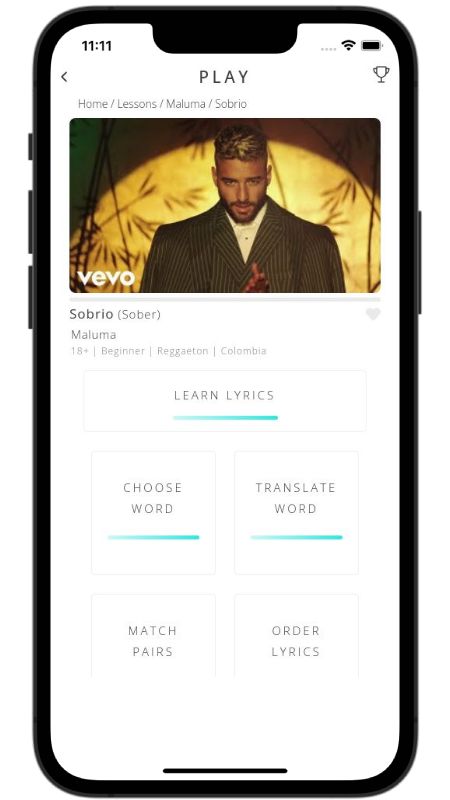
We have all been there: staring at a phone late at night, seeing an ex active online, and making a terrible choice. In "Sobrio", Colombian star Maluma puts the classic drunk dial into a smooth reggaeton groove. He admits right off the bat that he needs liquid courage just to apologize, singing "Pa' pedir perdón tengo que estar ebrio" (To ask for forgiveness I have to be drunk). His pride usually gets in the way during daylight hours, but a few drinks change everything: "Cuando tomo mi orgullo lo mando al demonio" (When I drink, I send my pride to hell).
What makes the track fun is how brutally honest and messy he is about the breakup. He uses the phrase "sobrio no me da" (sober, I can't manage it / sober isn't enough) to explain why he picked up the phone at an ungodly hour to ask if she is alone or still loves him. He even drops some dramatic flair, complaining that while he saw her as marriage material ("te quería para matrimonio"), she is treating their romance like a funeral ("le estás dando a esto un velorio"). It is a catchy, relatable story about pretending to drink to forget someone, while actually drinking just to find the nerve to call them.