Hawái Lyrics in English by Maluma
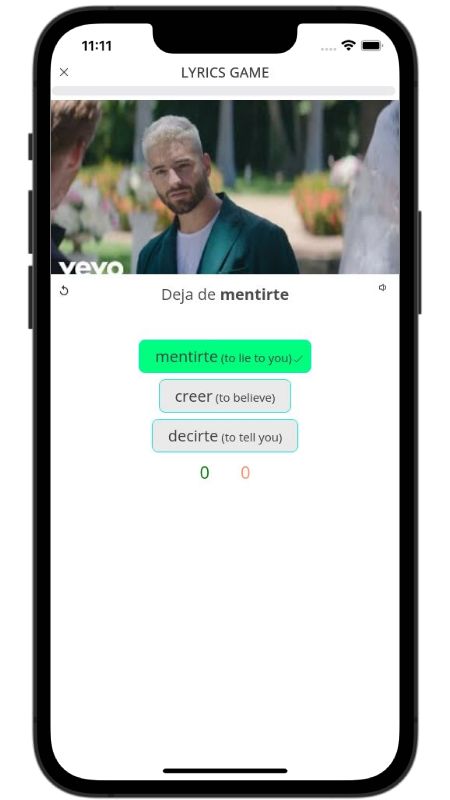
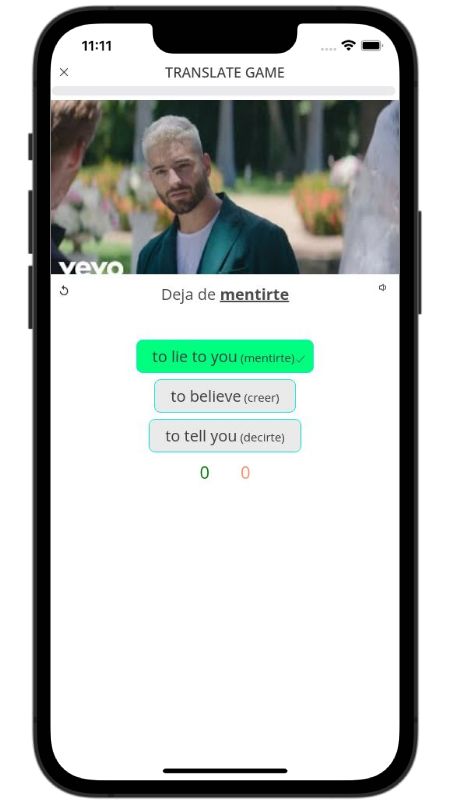
Ayunas literally means "fasting" or "on an empty stomach". It's a word you might associate with medical procedures or religious practices, making its appearance in a hit pop song very surprising and memorable.
In "Hawái", Maluma uses it to recall a specific, intimate memory: "Lo hacíamos en ayunas antes del desayuno" (We'd do it on an empty stomach before breakfast). This unique phrasing paints a vivid picture of a lost daily routine and deep connection, contrasting the polished happiness his ex posts on social media.
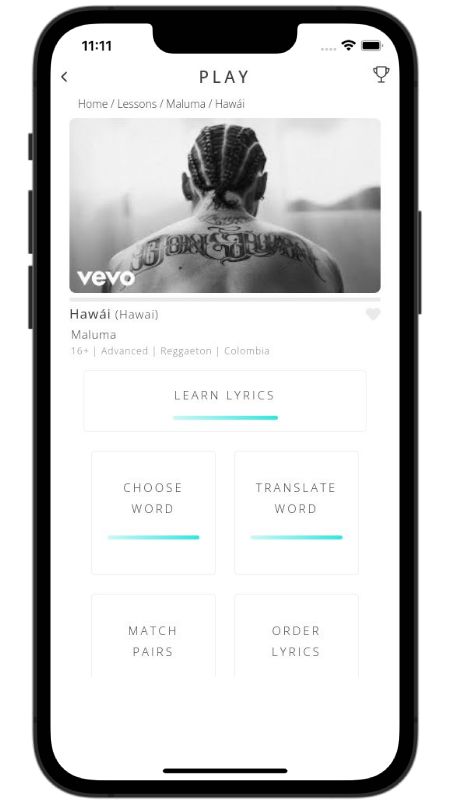
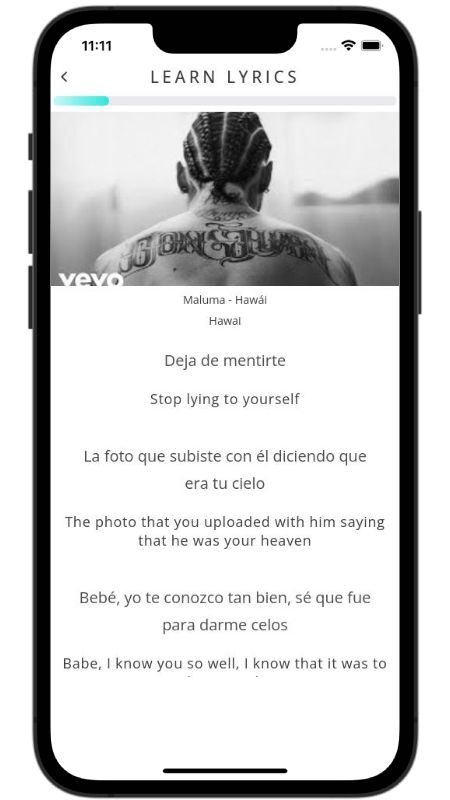
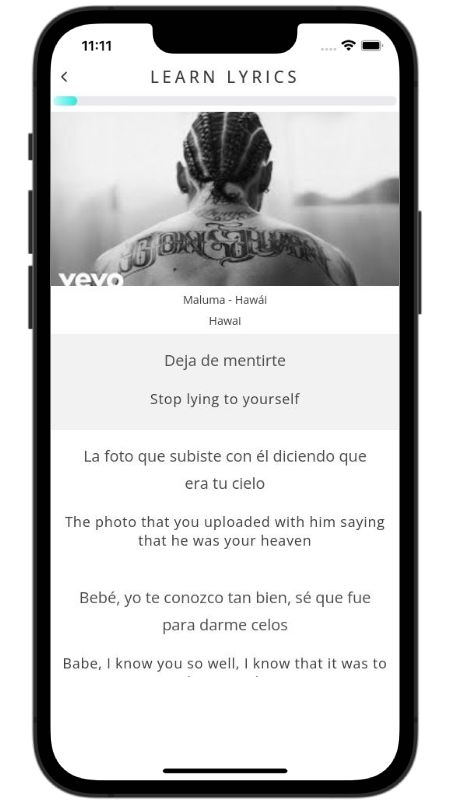
We all know someone who posts luxury vacation photos just to get back at an ex, and that is the exact drama Colombian star Maluma sings about here. He calls out an ex-girlfriend who is currently posing in paradise, hitting her with the sarcastic line "Hawái de vacaciones, mis felicitaciones" ("Hawaii on vacation, congratulations"). Her new guy might seem like a total gentleman ("todo un caballero"), but Maluma insists the romantic posts on Instagram are only meant to make him jealous ("pa' que yo vea", short for para que yo vea, meaning "so that I see"). He even claims a mutual contact caught her crying over him, so he is not buying the online act for a second.
Beneath the breezy reggaeton beat, the track turns into a blunt, slightly petty confrontation about what really happened behind closed doors. Maluma reminds her of how close they used to be ("Tú y yo fuimos uno" / "You and I were one"), recalling mornings together and sharing smoke from a hookah ("Fumábamos la hookah y te pasaba el humo"). He eventually offers an apology if he messed up ("Si te hice algo malo, entonces discúlpame"), but he stands firm on his main point: fancy trips and social media filters cannot buy real love ("el amor no se compra con nada").