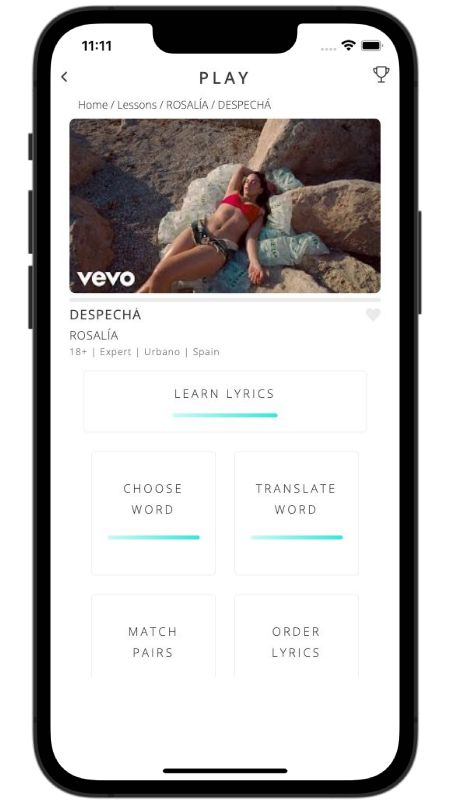
DESPECHÁ Lyrics in English by ROSALÍA
Despechada is a powerful word to describe a woman who is heartbroken and scornful after a breakup. It comes from the feeling of despecho—a mix of spite, resentment, and heartache.
In this anthem, Rosalía isn't just sad; she's channeling that energy into a wild night out with her friends. She sings "Y ando despechada, alocada" (And I'm feeling scorned, wild), turning a moment of pain into one of defiant freedom and empowerment.
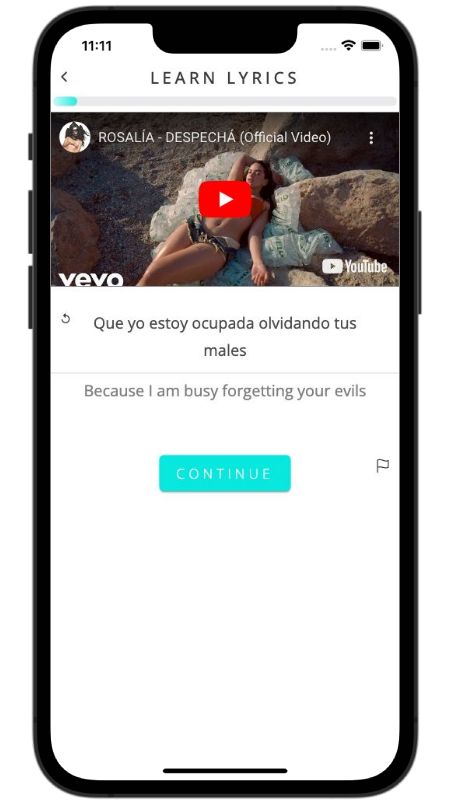
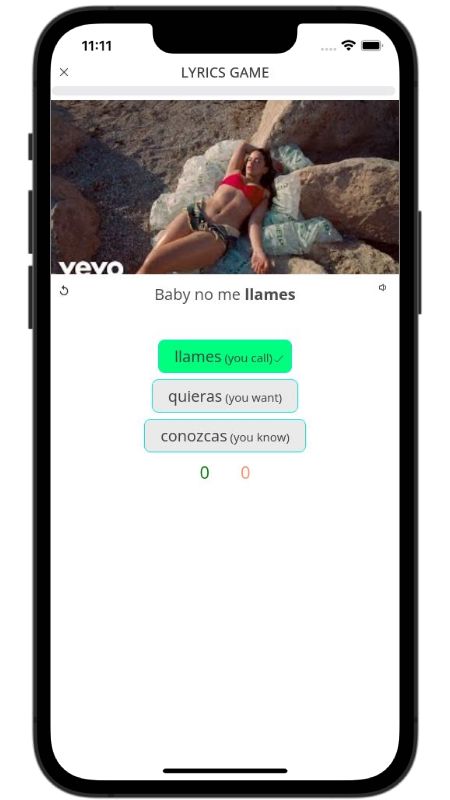
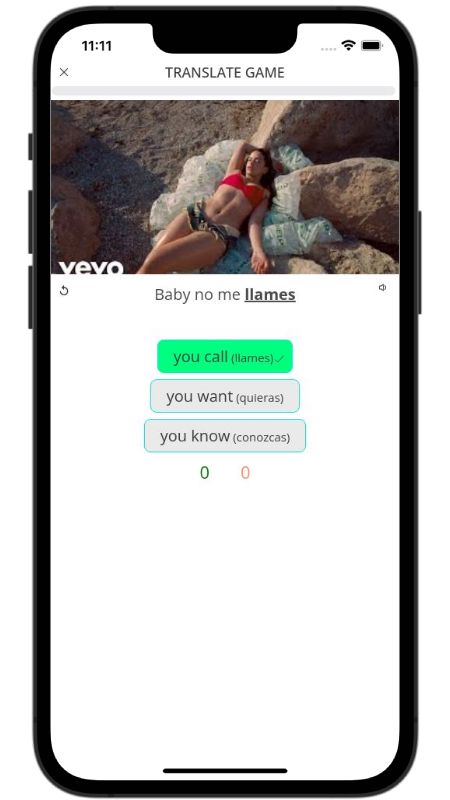
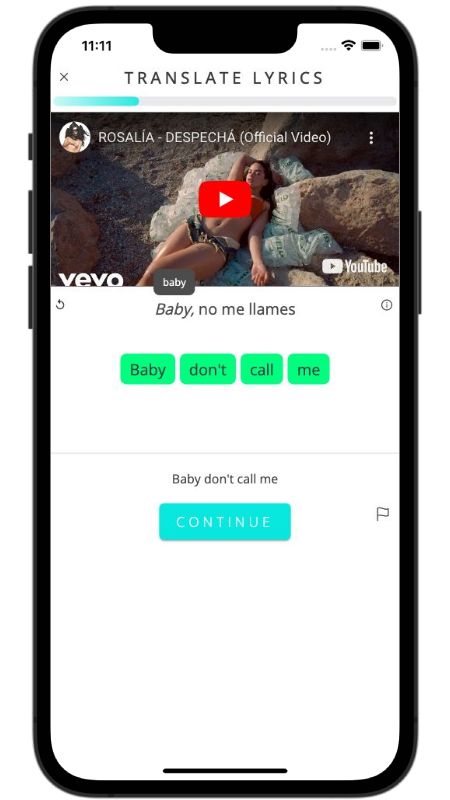
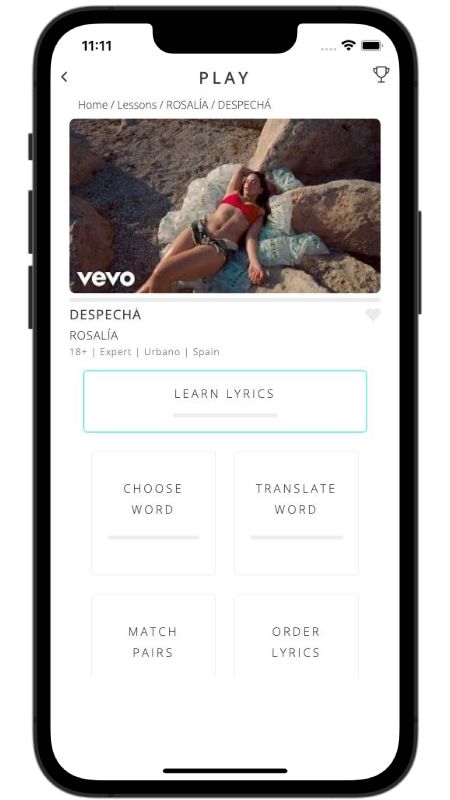
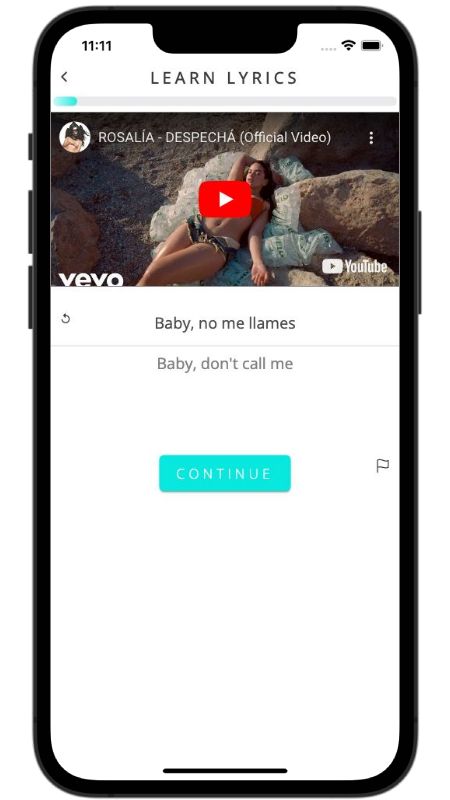
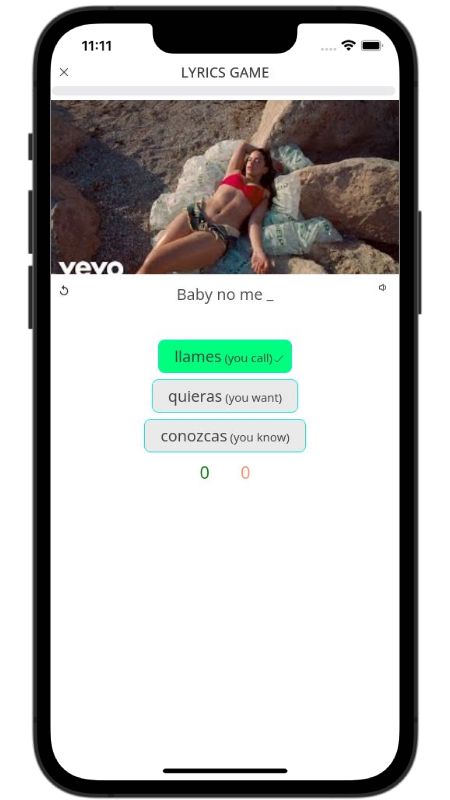
Spanish singer ROSALÍA turns post-breakup bitterness into pure dancefloor fuel in "DESPECHÁ". The title comes from the word despecho, which describes the sting, spite, and wounded pride you feel after someone does you wrong. Instead of staying home to cry, she lays down the law right away: "Baby, no me llames / Que yo estoy ocupada olvidando tus males" ("Baby, don't call me / Because I'm busy forgetting your bad deeds"). She grabs her hoop earrings, chains, and a piña colada to hit the club with her "motomamis" (her crew of tough, confident women) and her "yales" (slang for girls or women).
She keeps the message as simple as child's play: "A, b, c, one, two, three / Mira qué fácil te lo voy a decir / Que esta motomami ya no está para ti" ("Look how easily I'm going to tell you / That this motomami is no longer available for you"). She gives a quick shout-out to Dominican music legend Fefita La Grande with "Estoy con la FeFa, ella es la jefa" ("I'm with Fefa, she is the boss"), ditching work and fame for a wild night of mambo. By the end, she is driving at full speed like a racer ("soy racineta"), warning her ex that if he blinks, she will zoom right past him on the right.