Di Mi Nombre Lyrics in English by Rosalía
Impuro means "impure". It's a powerful word that captures the song's central theme of mixing the sacred and the profane in passion.
Rosalía sings, "Impuro lo bendeci'o" (The impure, that which is blessed). She is asking her lover to transform something traditionally seen as sinful into a holy experience through their intense love. This beautiful contrast highlights a passion that is so powerful it redefines all the rules.
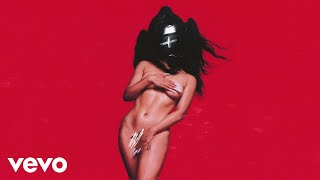
Spanish singer Rosalía turns an intimate bedroom encounter into a secret ritual in "Di Mi Nombre". The track opens with a repeated, rhythmic chant of "Ali, Ali" before laying out the ground rules: keep quiet until the room clears. She sings, "Di mi nombre / Cuando no haya nadie cerca" ("Say my name / When there's no one around"), making sure whatever happens behind closed doors stays strictly private with "Que las cosas que hoy me dices / No salgan por esa puerta" ("May the things you tell me today / Not leave through that door"). Her visual metaphors get wonderfully dramatic right after. She asks her lover, "átame con tu cabello / A la esquina de tu cama" ("tie me with your hair / to the corner of your bed"), adding that even if the strand snaps, she will pretend she is still tied down anyway ("Haré ver que estoy ata'a"). Notice that she drops the 'd' in ata'a (short for atada, meaning "tied"), a classic southern Spanish pronunciation habit.
From there, the lyrics mix physical desire with religious language to blur sacred and forbidden lines. She asks her partner to press close and "haz que lo malo sea bueno / Impuro lo bendeci'o" ("make the bad things good / the impure blessed"). Notice again the dropped ending on bendeci'o (bendecido, "blessed"). She even demands, "hazme rezar sobre tu cuerpo" ("make me pray over your body"). It all builds up to a bold, face-to-face finale: "Y en el último momento / Dime mi nombre a la cara" ("And at the very last moment / Say my name to my face"). It is possessive, intense, and completely hooked on secrecy.