Te Apuesto Lyrics in English by Ha-Ash, María José
Embriagarse means 'to get drunk' or 'to become intoxicated'. It's a strong and evocative verb that isn't commonly found in every song, making it quite unique.
In the context of "Te Apuesto," the lyric "Que va a embriagarse con su propio vino" (That he's going to get drunk on his own wine) is a powerful metaphor. It suggests that the man will eventually be consumed by his own lies and deceit, facing the consequences of his actions. This poetic use of the word adds a layer of depth and drama to the song's narrative of betrayal and eventual comeuppance.
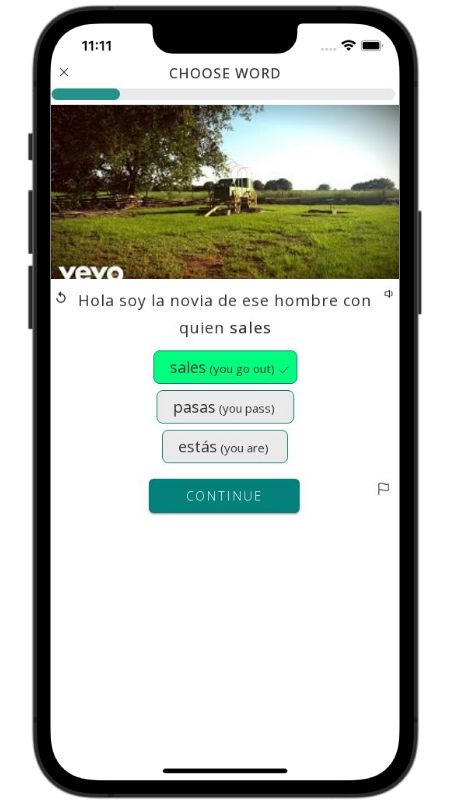
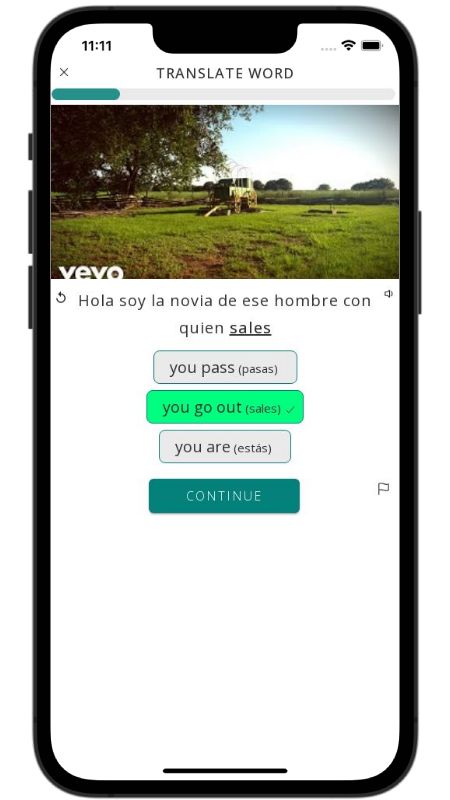
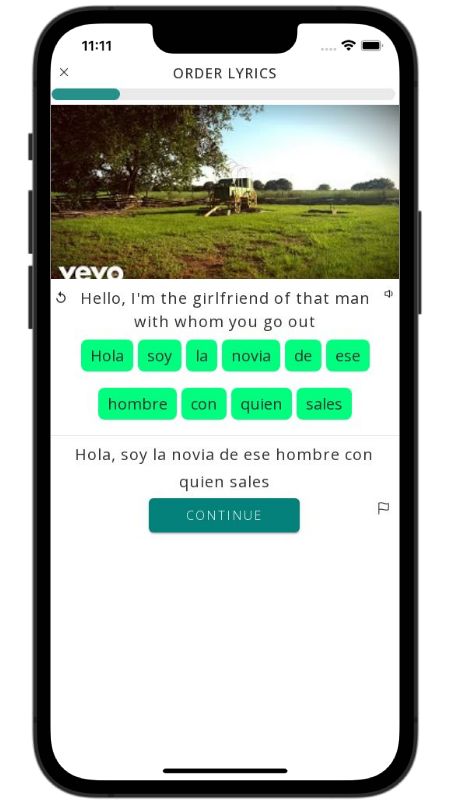
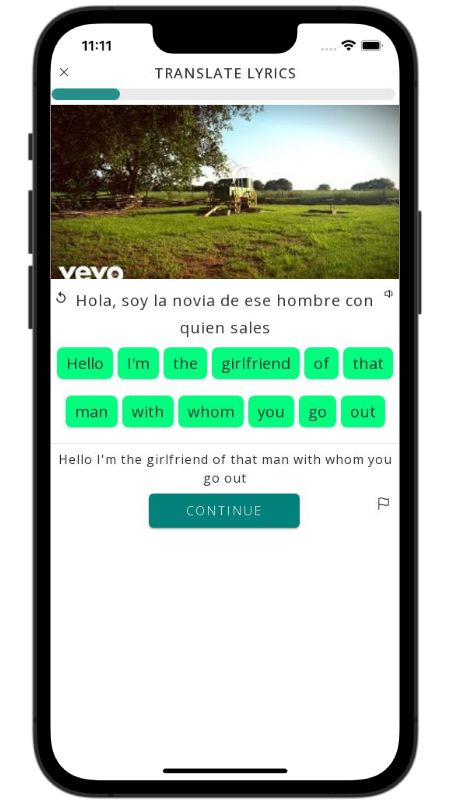
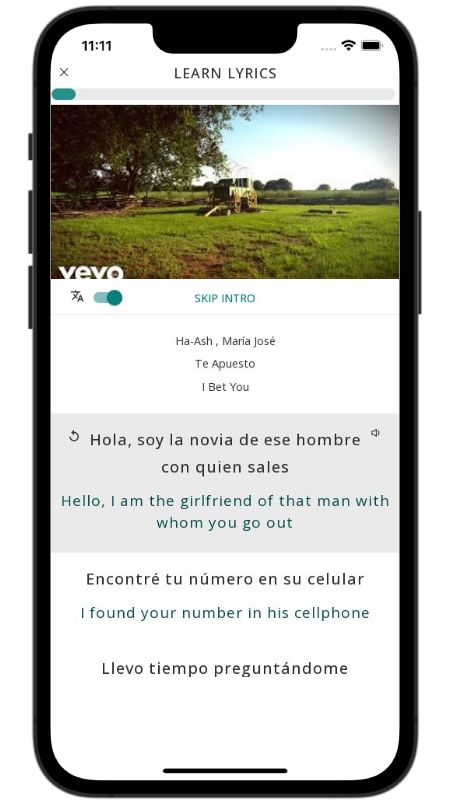
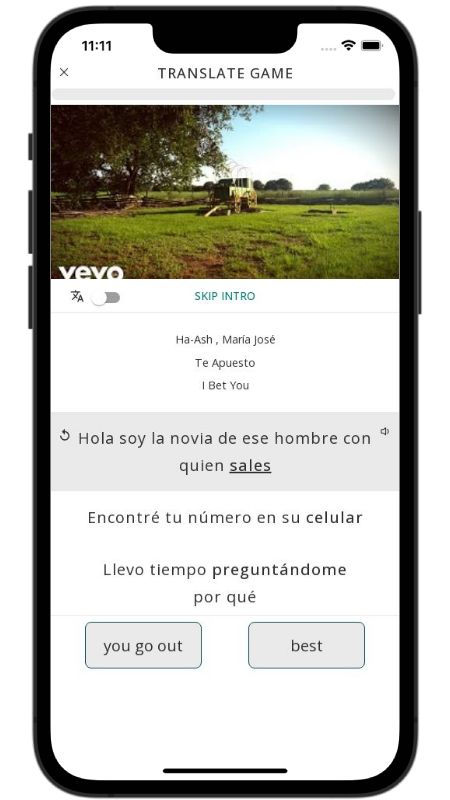
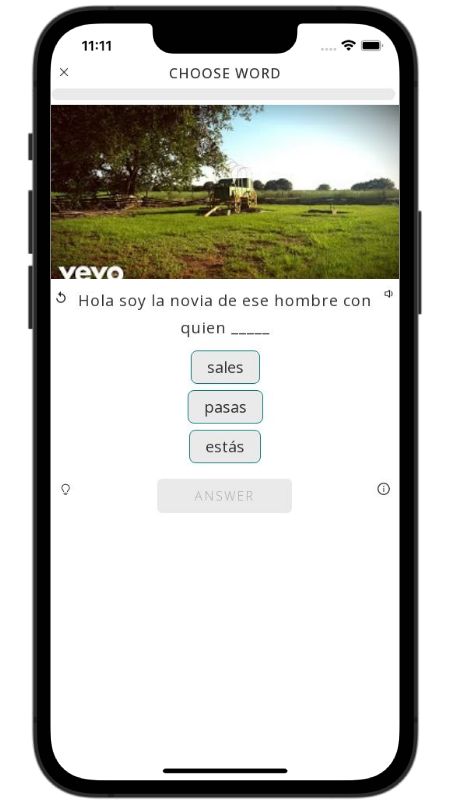
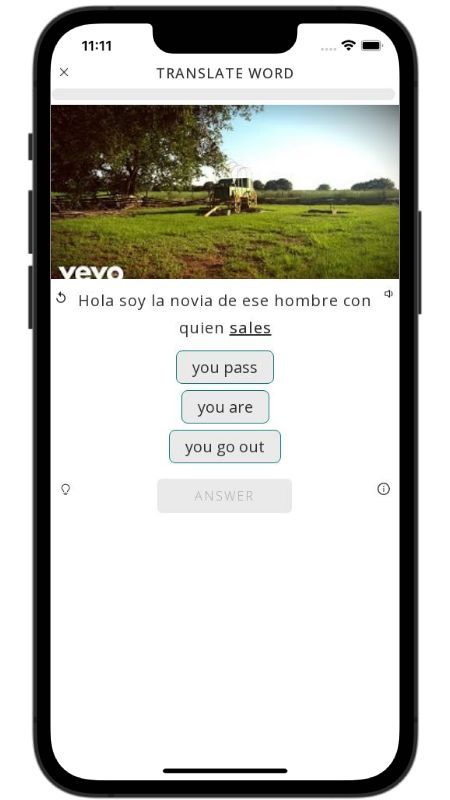
Picture this phone call: a woman finds a strange number in her boyfriend's phone and rings it, only to find out the girl on the other end had no clue he was taken. Instead of clawing each other's eyes out, Mexican-American sister duo Ha-Ash and pop powerhouse María José team up to roast him. They compare notes on his exact playbook, laughing at how he hands out the same orange flowers, tells them both they are the best thing that ever happened to him, and recycles identical promises about the future. Lines like "Hola, soy la otra, sin saber que había otra" [Hello, I'm the other woman, without knowing there was an other woman] show how quickly anger turns into shared realization.
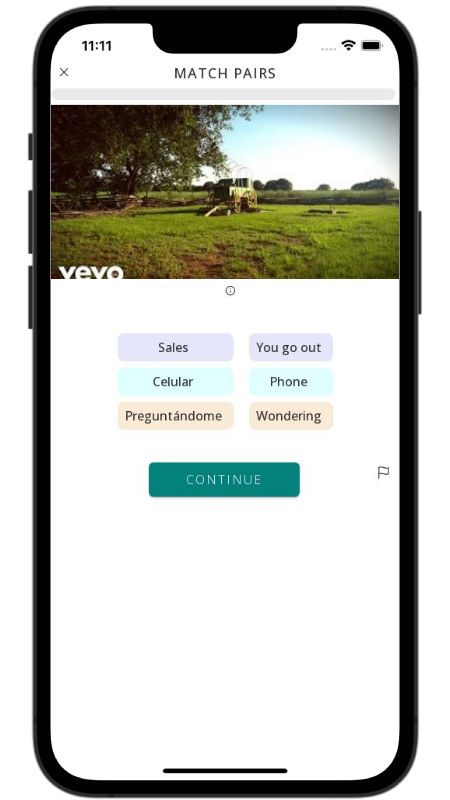
There is plenty of great everyday phrasing here for language learners. The singers declare "Nos ha visto la cara", an informal idiom that translates literally to "he saw our face," but really means "he played us for fools." Rather than fighting over who was first or who he would have picked, they walk away entirely and plot some poetic justice: "Que va a embriagarse con su propio vino" [He's going to get drunk on his own wine]. By the time they tell him to call his best friend instead of looking for them, the betrayal flips into an empowering, witty goodbye where the liar ends up completely alone.














![Te Dejo En Libertad [Primera Fila] Lyrics Translation](https://img.youtube.com/vi/7mox58jIAdA/mqdefault.jpg)