Nana Triste Lyrics in English by Natalia Lacunza, Guitarricadelafuente
Cordura translates to 'sanity' or 'good sense', describing a clear and rational state of mind.
In "Nana Triste", Natalia Lacunza sings, "Yo maldigo a mi cordura" (I curse my sanity), expressing the intense pain of being fully aware of her heartbreak. She beautifully uses this word to show that she wishes she could just lose her mind to escape the painful reality of the situation.
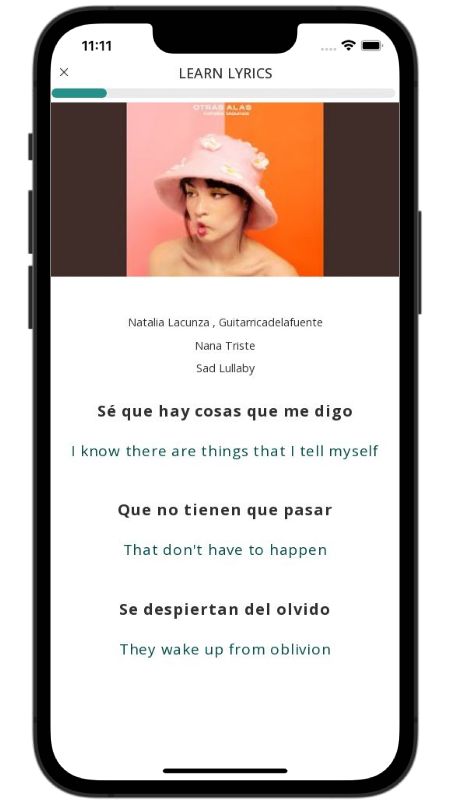
"Nana Triste" literally means "Sad Lullaby," but it feels more like an open wound set to music. Spanish singer Natalia Lacunza joins voices with Guitarricadelafuente to sing about a connection that snapped after they crossed a line. The singer wishes they could turn back time and spend a few more nights together ("Si no hubiera roto el hilo / Ojalá volver a atrás" [If I hadn't broken the thread / I wish I could go back]). Instead, old memories rush back from nowhere to force out tears. They remember trying to protect this partner like a toddler who cannot walk yet, promising grand, dramatic gestures like "Te construiré un castillo / Con tus lágrimas de sal" (I will build you a castle with your salty tears). Carnations in the hair, tattoos, and sweet moments turn sour, oozing like an infected scrape: "Hoy supura y supura / Lo que ayer sabía a miel" (Today what tasted like honey yesterday festers and festers).
Then the sweetness shatters completely. The singer begs a dove to carry them away, cursing their own sanity before turning on the ex altogether: "A ti te maldigo, y a tus lágrimas de sal" (I curse you, and your salty tears). By the end, they refuse to cry anymore. There is a blunt, bitter realization in the closing chant: "Porque a un niño que no es mío / Nunca lo debí cuidar" (Because a child who isn't mine, I should never have cared for). It is a harsh way to look back at taking care of someone who was never their responsibility to fix.