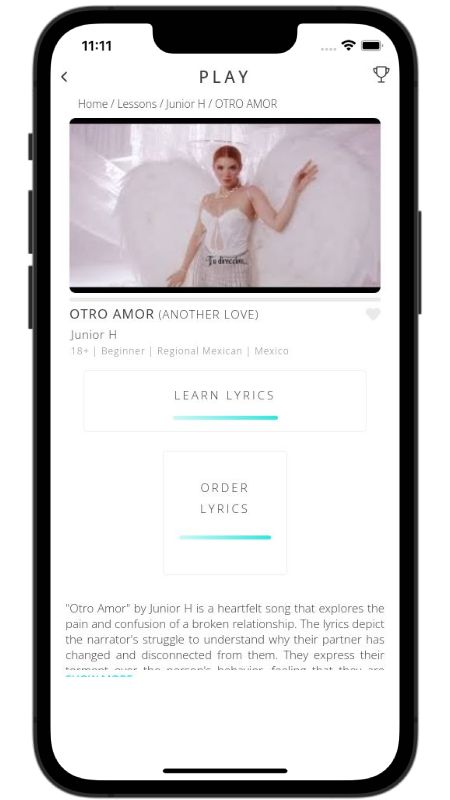
OTRO AMOR Lyrics in English by Junior H
Atormenta comes from the verb atormentar, meaning "to torment" or "to haunt". It's a powerful and evocative word that describes intense emotional or mental suffering.
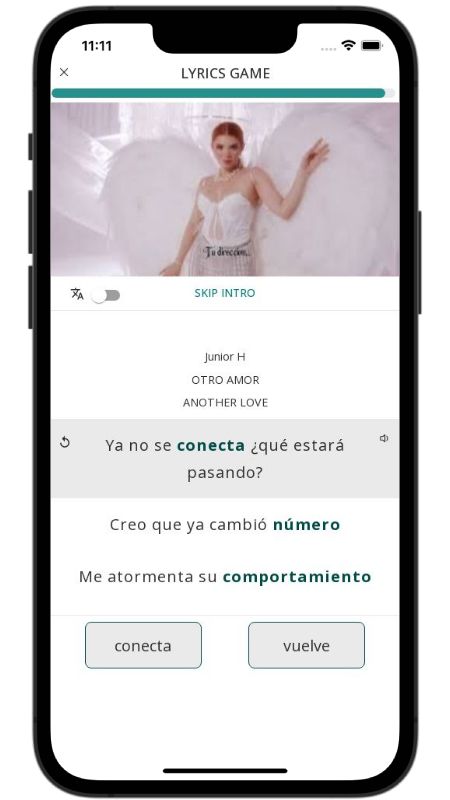
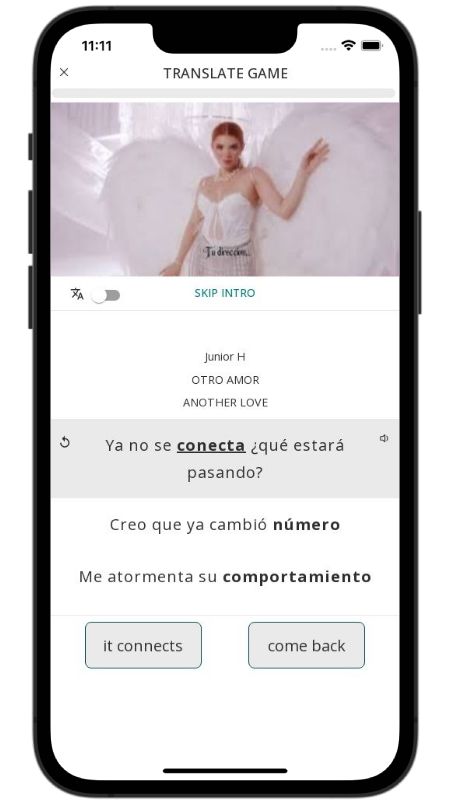
In the context of "OTRO AMOR," the singer uses it to express deep distress: "Me atormenta su comportamiento" (Their behavior torments me). This word perfectly captures the pain and anguish of a love lost, making it a memorable and impactful choice for learners.
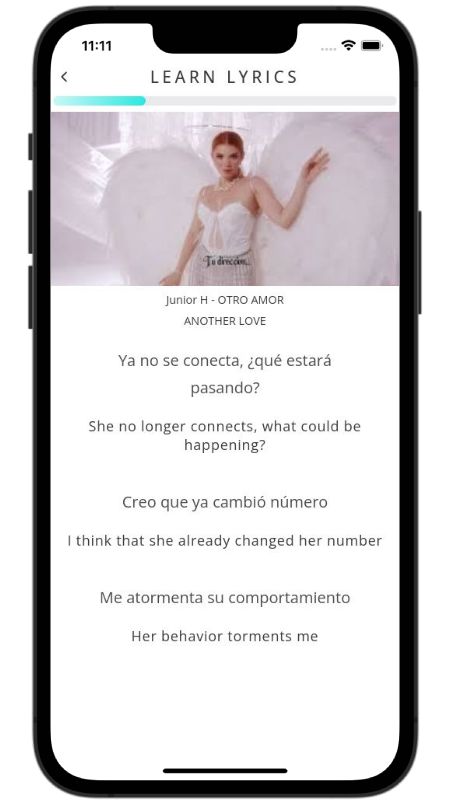
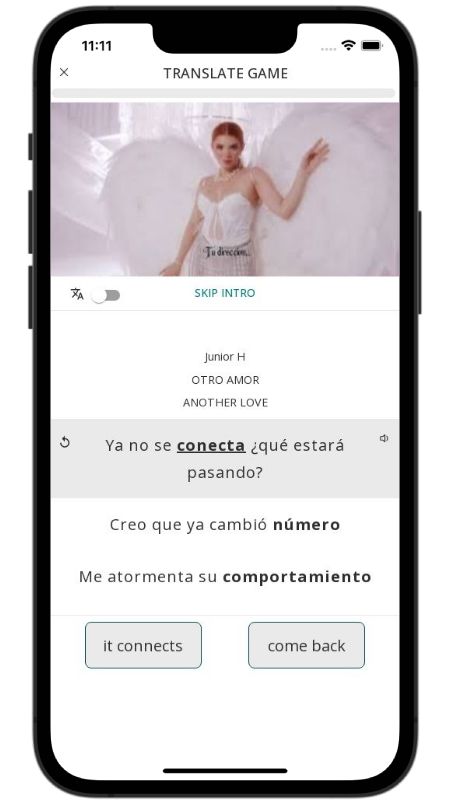
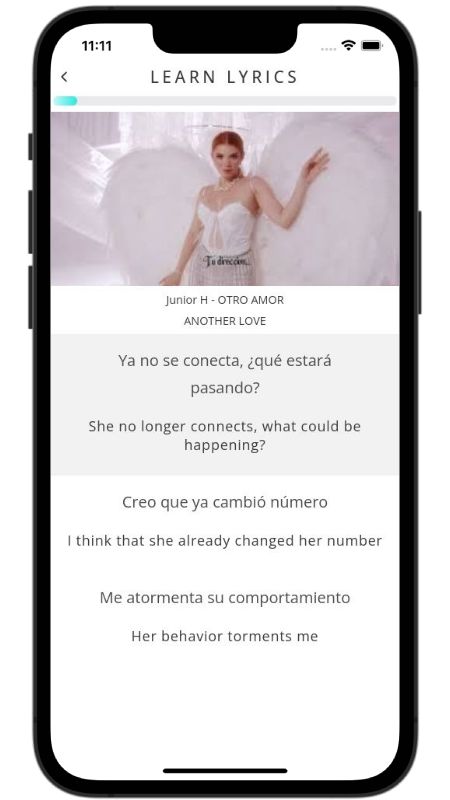
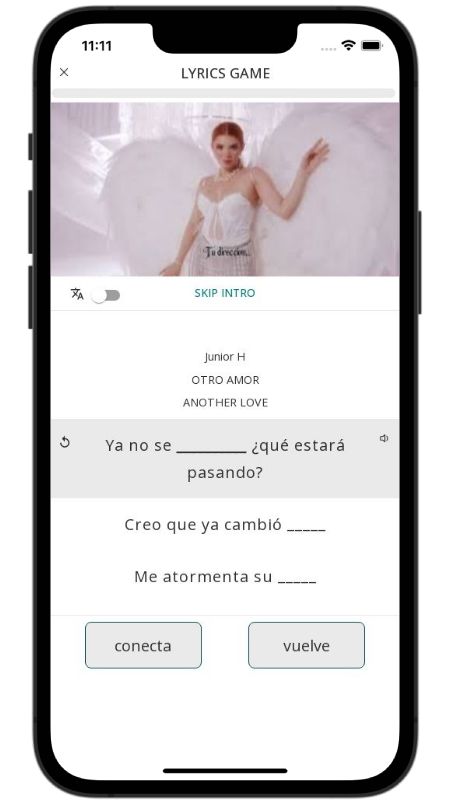
Ever been ghosted so hard the person literally moved away? That is the exact digital-age misery Junior H sings about in "OTRO AMOR". Mixing his signature slow, moody corrido tumbado sound with modern heartbreak, he stares at his screen wondering why an ex stopped logging on: "Ya no se conecta, ¿qué estará pasando?" ("She doesn't go online anymore, what could be happening?"). When someone no se conecta, it means their status on messaging apps is permanently offline to you. He quickly suspects the worst: she swapped her phone number ("Creo que ya cambió número"), packed up her life, and even switched home addresses ("me cambiaste tu dirección") just to cut him off.
It is painfully blunt, especially when he admits she crushed his romantic optimism for good: "Fuiste la persona que mató aquella esperanza" ("You were the person who killed that hope"). Instead of a dramatic confrontation, he is left alone with the bitter, simple conclusion that hits anyone who has been suddenly replaced: "Creo que ya encontró otro amor" ("I think she already found another love"). Junior H does not sugarcoat it; getting blocked and traded for someone else simply stings.