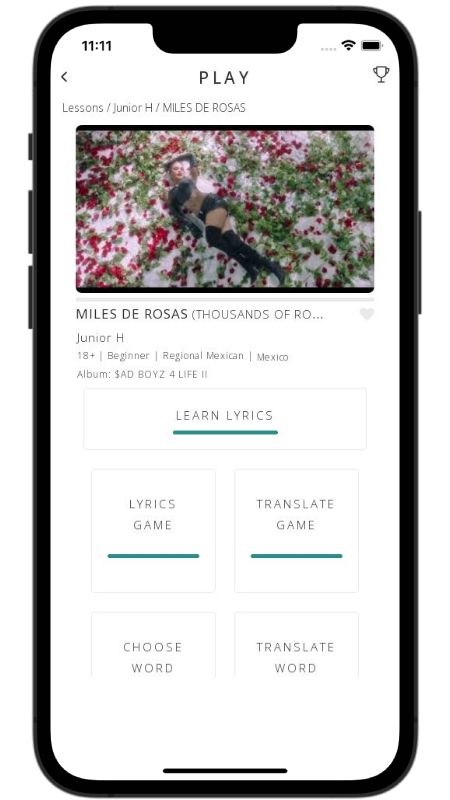
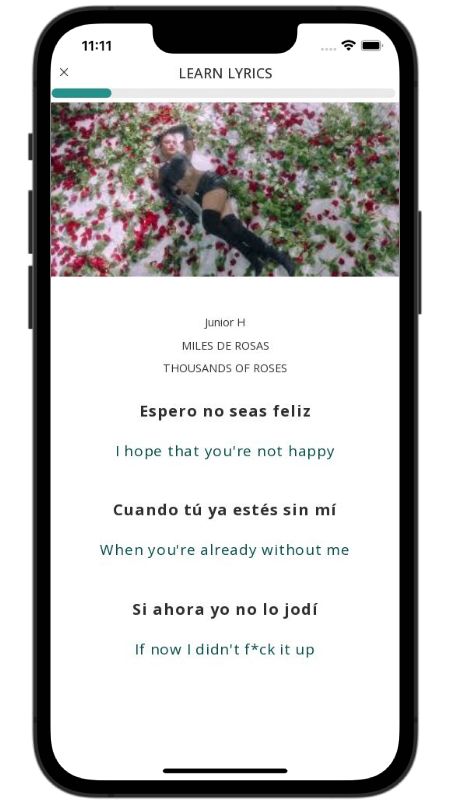
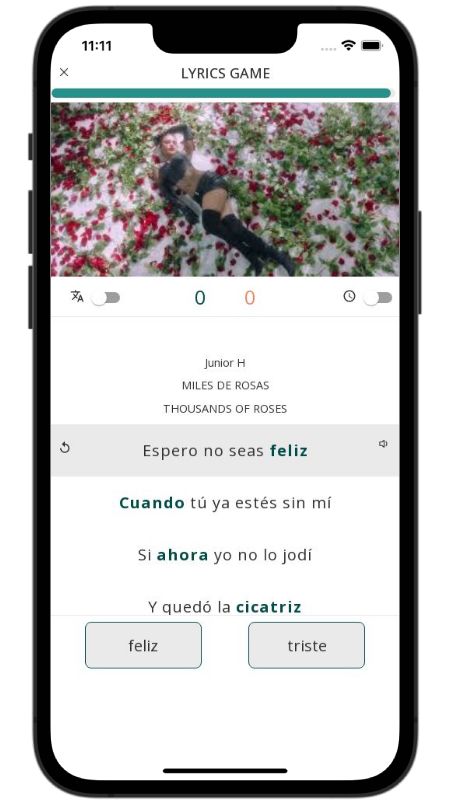
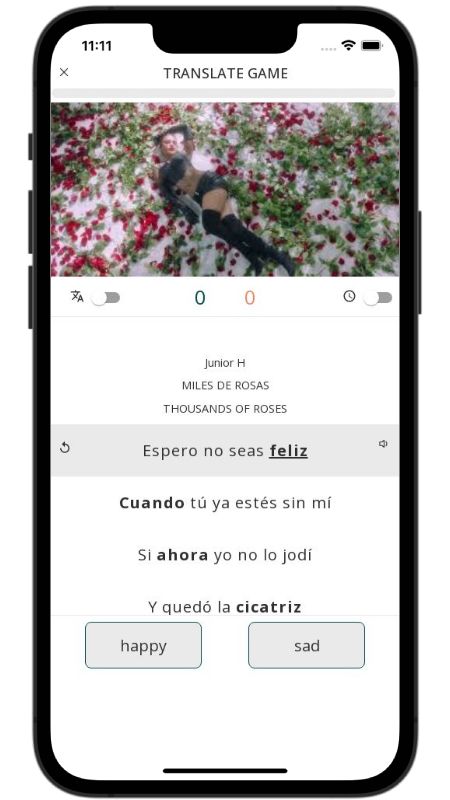
MILES DE ROSAS Lyrics in English by Junior H
Cicatriz translates to "scar." While it can mean a physical mark, it's often used in a poetic way to describe deep emotional wounds that remain after a painful experience.
In this song, Junior H uses it to create a powerful, bittersweet image, singing "Y quedó la cicatriz / De miles de rosas" (And the scar of thousands of roses remained). This beautiful line suggests that even a relationship filled with grand, romantic gestures ultimately left a permanent mark of pain.
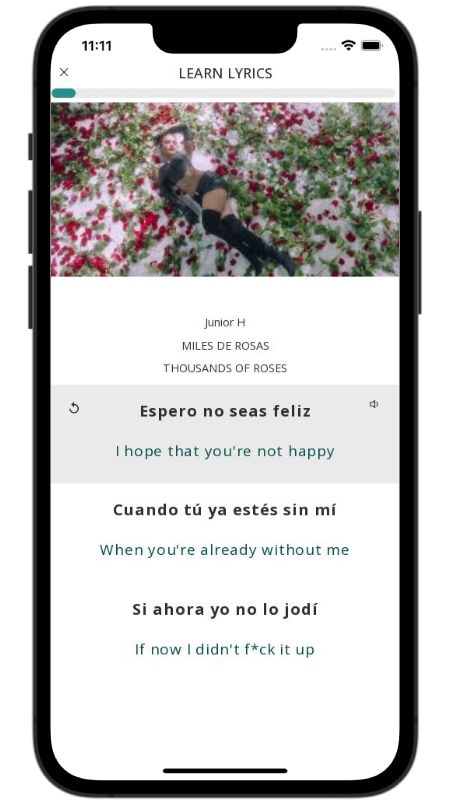
Junior H drops all polite pretense in "MILES DE ROSAS" and goes straight for bitter honesty. Instead of wishing an ex well, he opens by wishing her misery: "Espero no seas feliz / Cuando tú ya estés sin mí" ("I hope you aren't happy / When you're no longer with me"). The relationship was a whirlwind that died out anyway, leaving him with a scar ("quedó la cicatriz") despite having given her thousands of roses ("miles de rosas"). Now she is moving on to someone who promises financial security, but Junior H is not impressed. He bluntly tells her to keep him: "Si te asegura tu futuro, quédate ese cabrón" ("If he secures your future, keep that bastard"). The Mexican slang word "cabrón" carries heavy bite here, essentially calling the new guy a jerk or bastard who might provide stability, but will leave her cold when she cries and needs a hug.
The real punchline comes when he compares their talents: "Si él te escribe una poesía, yo te hago una canción" ("If he writes you a poem, I'll make you a song"). He expects her to end up begging this new guy on her knees just to get a single flower, a sharp contrast to the piles of roses he gave her. The hook spells out the core conflict in plain, unvarnished words: "Tenerte es bien fácil / Y amarte, difícil" ("Having you is very easy / And loving you, difficult"). Winning her over physically was simple, but truly loving her wrecked his fragile heart ("mi corazón frágil"). It is petty, direct, and completely unapologetic about wanting an ex to regret her choices.