LAGUNAS Lyrics in English by Peso Pluma, Jasiel Nuñez
Lagunas literally translates to "lagoons", but it has a fascinating double meaning. In Spanish, the phrase "tener lagunas mentales" means to have gaps in your memory, a moment of mental confusion.
In the song's central line, "Nado entre lagunas de mi mente" (I swim in the lagoons/gaps of my mind), the singer creates a beautiful metaphor. He's poetically describing the feeling of being lost and adrift in his own thoughts and memories of a past love.
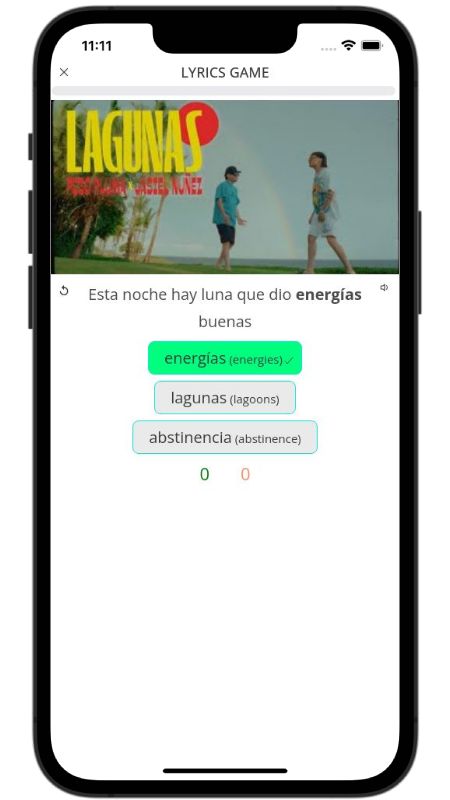
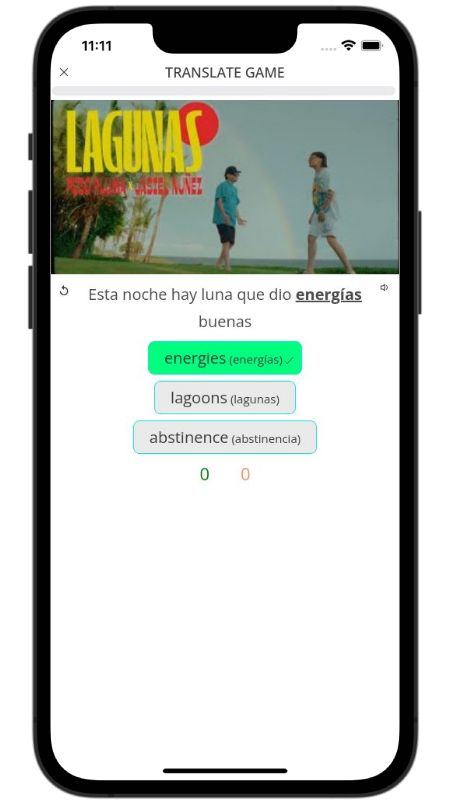
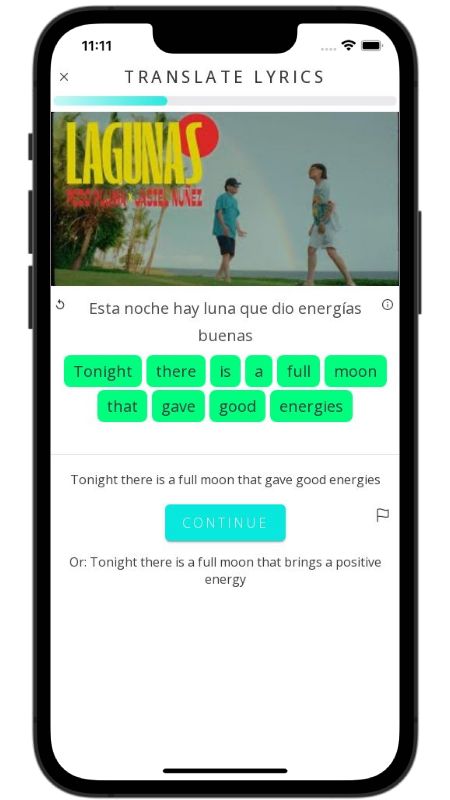
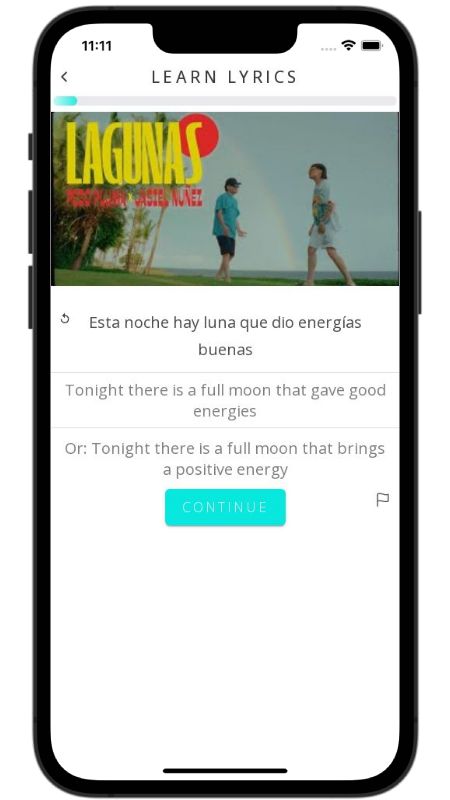
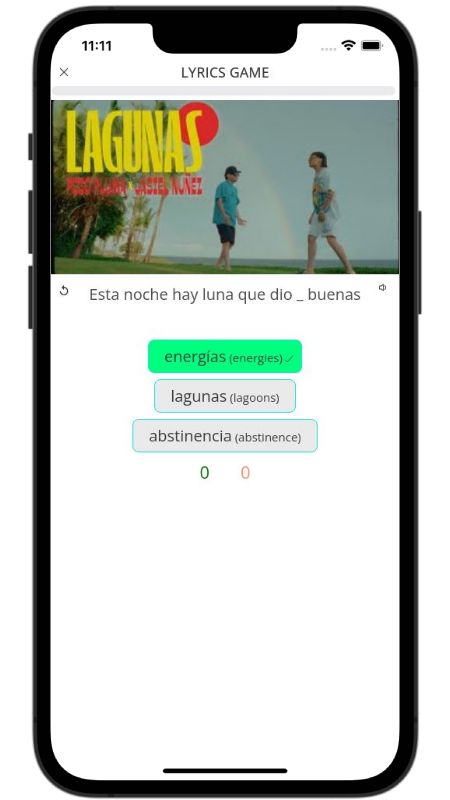
Mexican artist Peso Pluma and Jasiel Nuñez bring a melancholic, starry-eyed vibe to this corrido tumbado. The narrator starts by noticing that the moon is giving off good energy ("Esta noche hay luna que dio energías buenas"), but he still feels weighed down by a lingering heartache. His solution to getting over this past relationship is going completely cold turkey. He sings, "No la veo por abstinencia / De tenerla cerca, me puse una meta" ("I don't see her out of withdrawal / From having her close, I set a goal"). It is a dramatic, self-imposed rule, but he insists that staying away is better for both of them, not just himself ("De lejos es mejor / No por mí, esto es por los dos").
The emotional core of the song plays on the literal and figurative meaning of the title word, lagunas. In Spanish, the phrase lagunas mentales means memory gaps or blackouts. Here, he turns it into a vivid metaphor for overthinking: "Nado entre lagunas de mi mente / Que se hacen por saber qué se siente / Volver a besar tu frente" ("I swim through gaps in my mind / That form from wondering what it feels like / To kiss your forehead again"). Instead of accepting that the romance is over, he looks past the Earth entirely, daydreaming that maybe in another galaxy they actually got what they always wanted ("Tal vez en otra galaxia sí fue diferente / Tal vez ahí sí se nos dio lo que quisimos siempre"). It wraps up with their signatures, including Peso Pluma's famous nickname, Doble P (Double P).