LUNA Lyrics in English by Peso Pluma, Junior H
Fugaz translates to "fleeting" or "brief", describing something that passes by very quickly.
In this nostalgic track, the artists use it in the beautiful phrase "estrella fugaz" (shooting star) to describe a past love. It is a highly poetic word that perfectly captures the bittersweet feeling of a romance that was incredibly bright and magical, but ultimately ended much too soon.
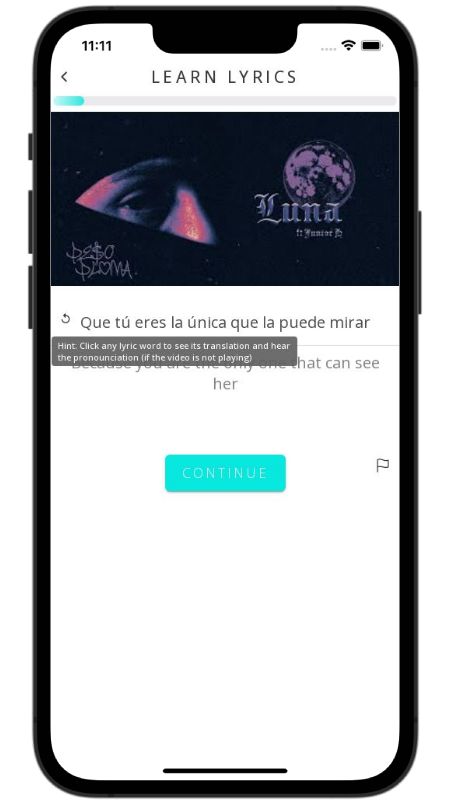
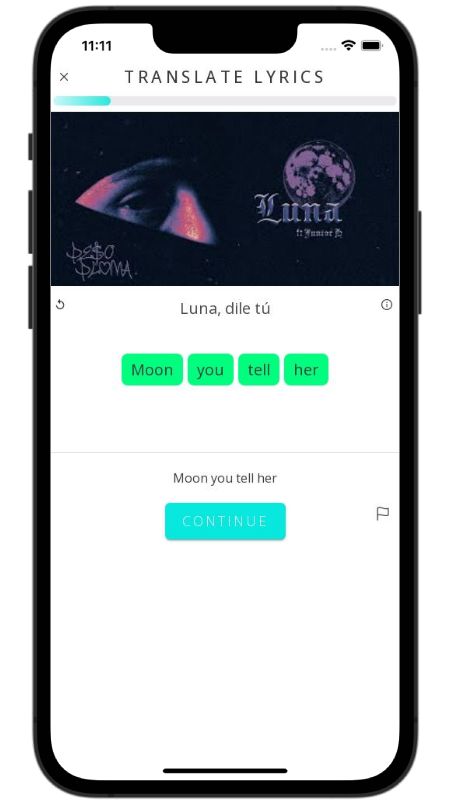
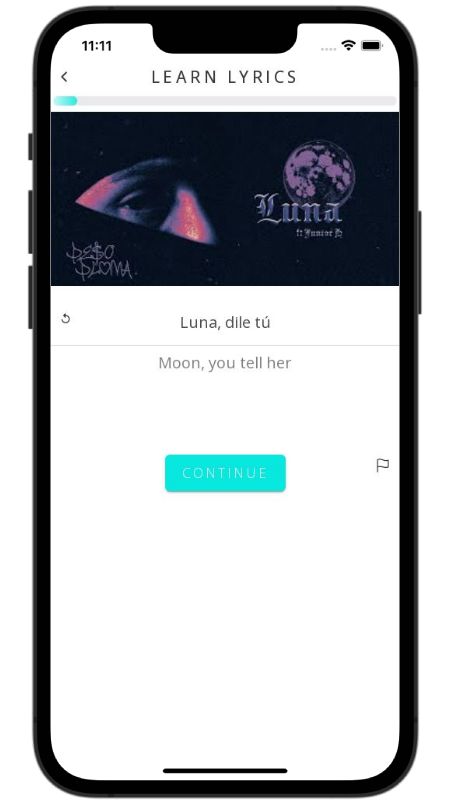
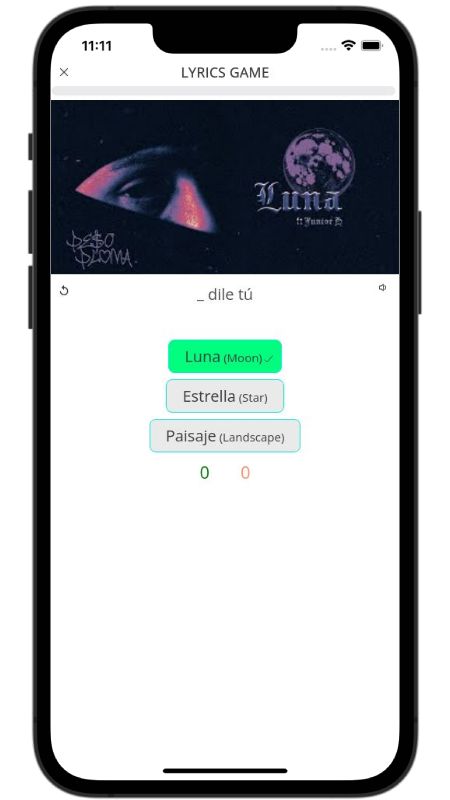
In "LUNA", Mexican artist Peso Pluma teams up with Junior H for a slower, reflective corrido tumbado about letting go of someone who has moved on. Instead of checking in on his ex directly, the narrator talks to the night sky. He begs the moon, "Luna, dile tú / Que tú eres la única que la puede mirar" ("Moon, you tell her / That you are the only one who can look at her"), asking it to watch over her now that he is completely out of her life with the plea, "Cuídala" ("Take care of her"). He accepts the harsh reality that she found someone new—"Tiempo pa' saber / Que tú ya estás con otro" ("Time to learn / That you are already with someone else")—and simply hopes this new partner treats her well, while trusting she will still remember their past together.
Along the way, the track features classic regional Mexican slang that shows off their friendly camaraderie. When Peso Pluma shouts "Para la plebita" ("For the little girl / young woman"), he uses plebita, a common Sinaloan term for a young woman. Junior H adds the phrase "Que siga la mata dando" (literally "let the bush keep giving"), an idiom that means "keep the good times rolling" or "keep the hits coming." Even as they accept a breakup, they keep their signatures front and center, complete with Peso Pluma's trademark self-reference "Pura Doble P" ("Pure Double P").