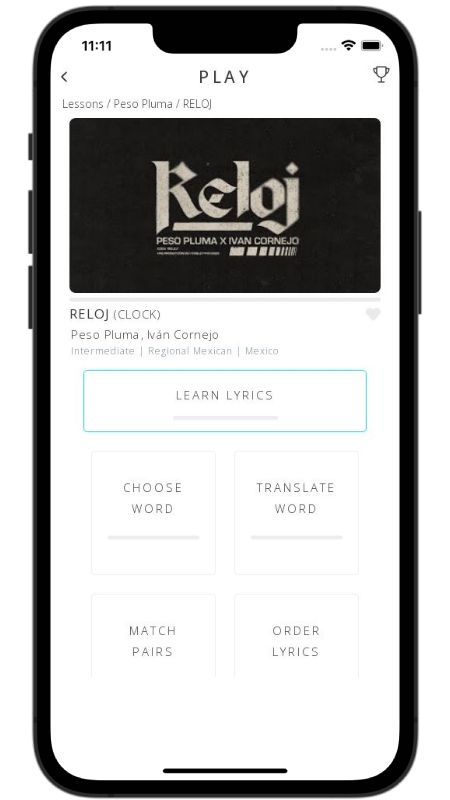
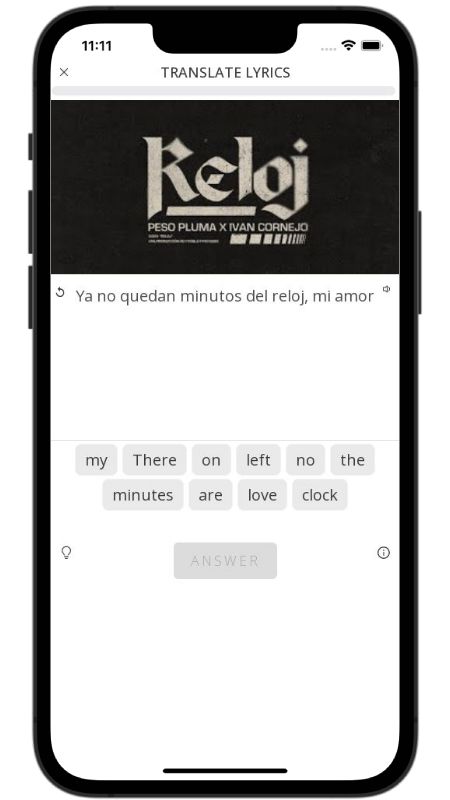
RELOJ Lyrics in English by Peso Pluma, Iván Cornejo
Lagunas literally translates to "lagoons". However, in this song, it's used metaphorically to mean "gaps" or "blanks".
Peso Pluma sings about having "Lagunas en mis pensamientos" (Gaps in my thoughts), creating a powerful image of confusion and memory loss from the pain of a breakup. This poetic phrase shows how a simple word can be used to describe a deep emotional state, making it a very memorable part of the lyrics.
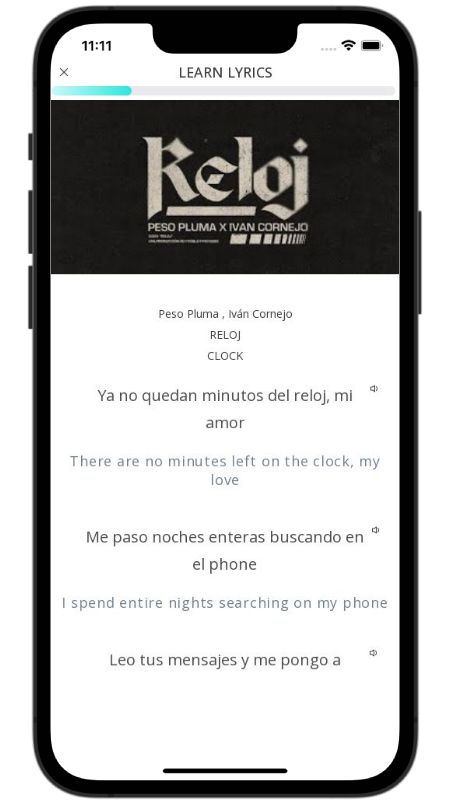
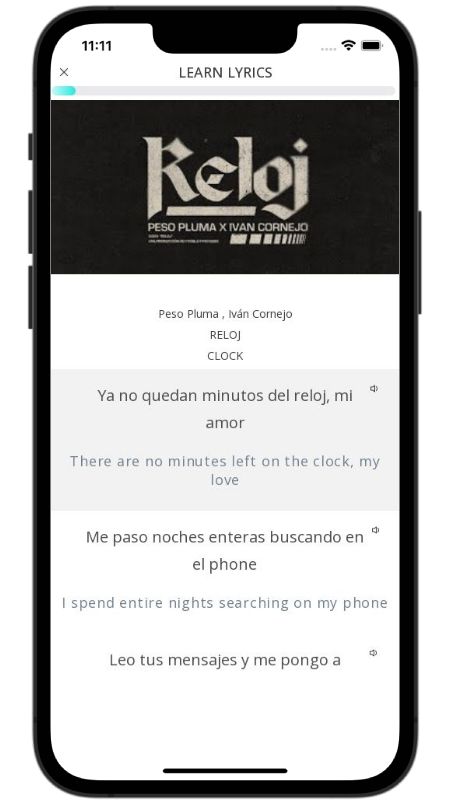
In "RELOJ", Mexican artist Peso Pluma teams up with Iván Cornejo to blend the moody energy of a corrido tumbado with classic post-breakup denial. The singer starts off glued to his screen: "Me paso noches enteras buscando en el phone / Leo tus mensajes y me pongo a sonreír" ("I spend entire nights searching on my phone / I read your messages and start smiling"). He is bitter about being a romantic fool, admitting "Que tú me amabas, me tragué ese cuento yo" ("That you loved me, I swallowed that fairy tale"). The Mexican Spanish idiom tragarse el cuento literally means swallowing the story, or falling for a complete lie.
To cope, he tries the classic distraction plan of "Fiesta, amigos y unas morras pa' salir" ("Parties, friends, and some girls to go out with"), where morras is everyday Mexican slang for girls or women. He swears he deleted his ex everywhere and claims "tranqui, estoy tranqui" (short for tranquilo, meaning chill or calm), but the clock imagery gives away the truth. He admits the ticking stopped ("el tic-tac del reloj paró") and left his soul completely stuck. Between the late-night scrolling and drowning the memories in "tragos amargos" (bitter drinks), it is a very honest confession of someone pretending to move on while staying up late staring at old texts.