El Apagón Lyrics in English by Bad Bunny
Apagón literally means "blackout" or "power outage." While it's a standard word, it carries a deep political and cultural meaning in this song, which has become an anthem of Puerto Rican resilience.
Bad Bunny is referencing the frequent and widespread power outages that have affected the island. In the song, he turns a moment of frustration ("Maldita sea, otro apagón" – "Damn it, another blackout") into a defiant reason to party, celebrating the unbreakable spirit and pride of his people despite the hardships.
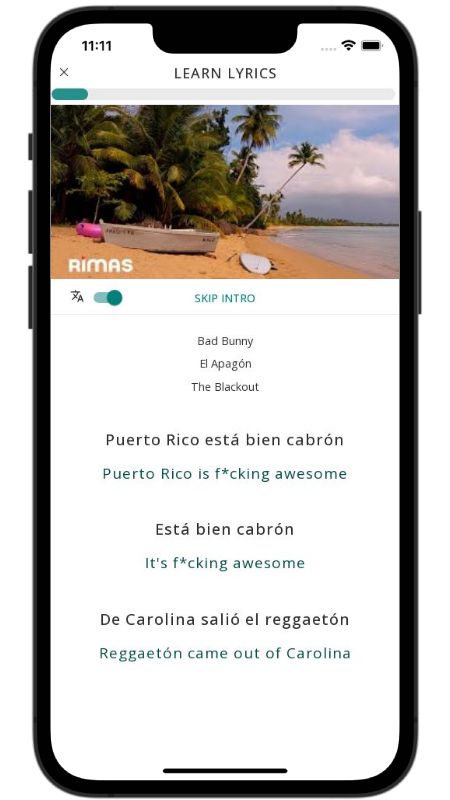
"El Apagón" is Bad Bunny's love letter, party track, and direct protest rolled into one wild beat. He kicks things off shouting "Puerto Rico está bien cabrón" ("Puerto Rico is amazing / Puerto Rico is bad ass"), letting you know right away where his loyalty lies. Along the way, he rattles off real places and local icons: Carolina (the cradle of reggaeton), salsa legend Maelo, reggaeton pioneer Tego Calderón, and NBA champion JJ Barea, pointing out that Barea won a ring "Primero que LeBron" ("Before LeBron"). He even jokes about driving over potholes in a Jeep Rubicon to wave at his grandmother on her balcony. But then real life interrupts the celebration: "Maldita sea, otro apagón" ("Damn it, another blackout"). He takes aim at island-wide power failures and threatens a slap for "Pipo" (referring to Puerto Rico's governor, Pedro Pierluisi) before heading to the stadium bleachers to light up and keep dancing anyway.
Midway through, the song tackles how outsiders treat the island. Bad Bunny laughs off luxury travel destinations ("Pichea Maldivas / Yo me quedo en Palomino" / "Forget the Maldives, I'm staying in Palomino"), calls out copycats who want the island's rhythm without its soul ("Ahora todos quieren ser latinos... Pero les falta sazón" / "Now everyone wants to be Latino... but they lack seasoning"), and drops blunt slang like corillo (crew) and calentón (hot zone). The party gives way to a powerful outro sung by Puerto Rican artist Bianca Graulau: "Yo no me quiero ir de aquí / Que se vayan ellos" ("I don't want to leave here / Let them leave"). It turns an energetic club anthem into a fierce defense of home, asserting that the beaches and the sun belong to the locals who live through every blackout.