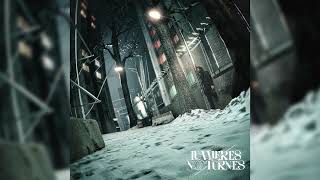
L'oeil Du Mensonge Lyrics in English by Nessbeal
Linceul means a "burial shroud", the cloth traditionally used to wrap a dead body. It is a rare, poetic word with a solemn and memorable sound.
In the song, the line « rien ne m'appartient ici-bas à part mon linceul » means "nothing belongs to me in this world except my burial shroud," emphasizing the fleeting nature of life and possessions.
Nessbeal builds the whole song around one image: an eye that sees wrong. The title, "L'œil du mensonge" (the eye of the lie), returns in the line "L'œil du mensonge c'est voir faux" (the eye of the lie is seeing falsely), and the chorus closes on "Mieux vaut perdre la vue que la raison" (better to lose your sight than your reason). The people around him have "la vue faussée" (warped vision): they chase cash, smoke to forget, and make their mothers cry "des larmes de sang" (tears of blood) without noticing they are worried.
The verses are a list of what that blindness costs on the estate. He jokes darkly that "la racine du mot terrain serait le mot enterré" (the root of the word 'terrain' would be the word 'buried'), and the chorus says "Y'a plus besoin d'aller en prison pour péter les plombs" (there's no need to go to prison anymore to lose your mind), because the horizon is already "truffé de plomb" (riddled with lead). Near the end he admits the fear underneath it all: "On veut changer mais on a peur de ce qu'on va devenir" (we want to change but we're afraid of what we'll become).