Se Fue Lyrics in English by Rauw Alejandro, Laura Pausini
Veneno literally translates to "poison". It's a dramatic and powerful word that immediately grabs your attention.
In the song, the singer uses it metaphorically to describe the painful aftermath of a breakup. He sings, "Se fue la dulce miel que probé en sus labios / Se fue, me quedó sólo su veneno" (The sweet honey I tasted on her lips is gone / She left, I'm left only with her poison). This stark contrast between "honey" and "poison" vividly illustrates how a love that was once sweet and life-giving has become toxic and painful.
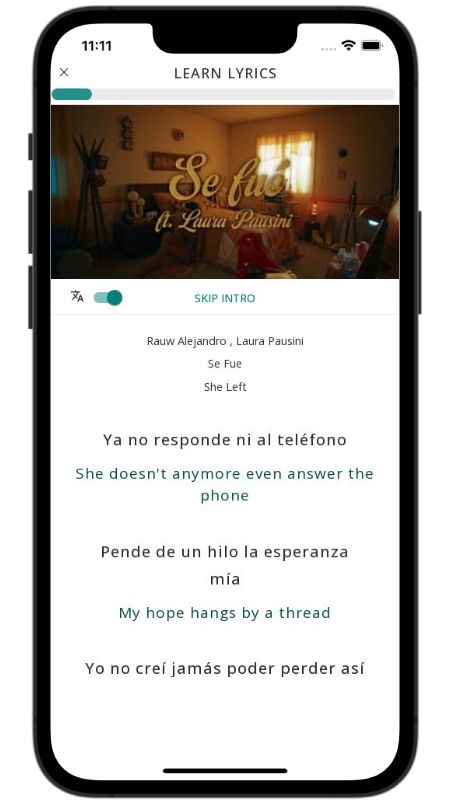
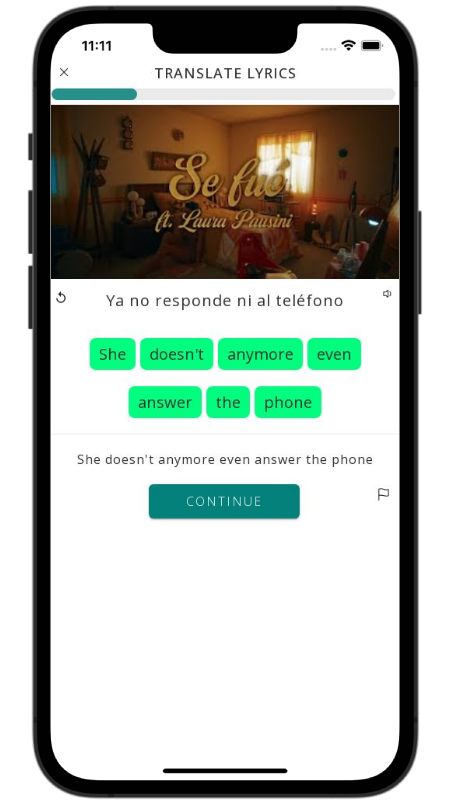
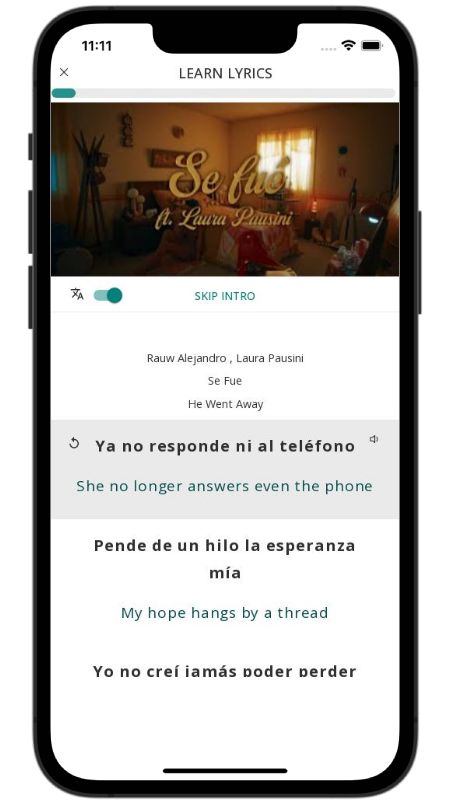
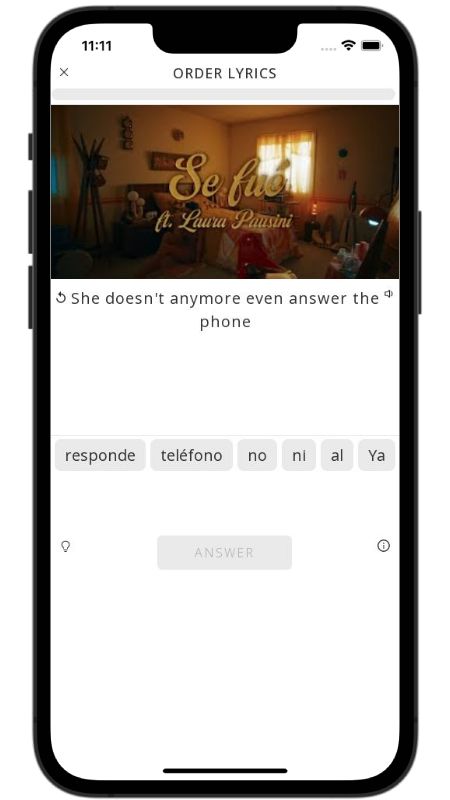
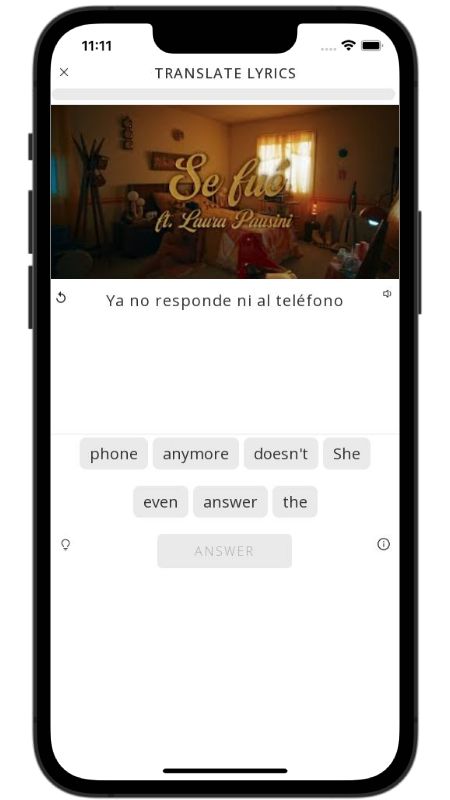
Puerto Rican singer Rauw Alejandro teams up with Italian star Laura Pausini to reimagine her famous heartbreak ballad over a driving reggaeton rhythm. Right from the start, you feel the shock of sudden ghosting: "Ya no responde ni al teléfono" [They don't even answer the phone anymore]. The lyrics obsess over every sensory detail that vanished overnight, from "el perfume de sus cabellos" [the scent of their hair] to "su sonrisa de fábula" [their fairytale smile]. Instead of sweetness, the singer is left with pure bitterness: "me quedó sólo su veneno" [only their poison was left for me].
The drama reaches extreme levels as both singers spiral into total despair. Pausini goes as far as declaring, "Hasta a la cárcel yo iría con él" [I would even go to jail with him], showing just how far this obsession stretches. Rauw's verse brings in everyday spoken Spanish when he sings "Pa' que me quite este dolor" [So that He takes away this pain from me], where pa' is the everyday spoken shortcut for para. They are pleading with the sky to fix an ache that turned summer cold and broke their future into tiny pieces, but nobody is picking up the phone.