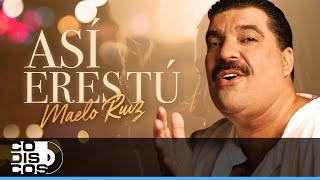
Así No Se Dá El Amor Lyrics in English by Maelo Ruiz
Trizas means “shreds” or “pieces,” and it appears in the vivid expression romper mi corazón y hacerlo trizas, meaning “to break my heart into pieces.” It is a memorable, dramatic word that shows how completely the singer feels emotionally destroyed by this returning love.
Maelo Ruiz, a Puerto Rican artist, sings about an old love returning like “un fantasma del pasado” [a ghost from the past]. One embrace, one word, one look, and one smile are enough to bring back feelings he thought time had buried. He says this person once broke his heart “en pedazos mil veces” [into a thousand pieces], yet he is falling in love with them again. That contradiction is the song’s painful center: the memory should be gone, but a brief meeting brings it all back.
The chorus sounds like a warning to himself: “Así no se da el amor” [love is not given this way]. He believes love should lead toward something good, even calling it “un camino que lleva hasta Dios” [a path that leads to God], but this particular love steals his peace. The final plea, “Vuélvete un fantasma del pasado” [become a ghost from the past again], is blunt and almost desperate. He wants this person to disappear, because seeing them gives him another chance to love someone who has already hurt him many times.