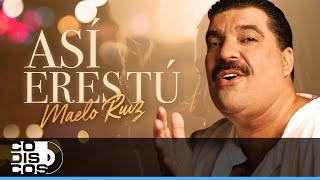
Mentiras Que Matan Lyrics in English by Maelo Ruiz
Bandolera literally translates to "bandit" or "rogue," often referring to a female outlaw. It's a strong, evocative word that isn't commonly found in everyday Spanish songs.
In this song, the singer uses "bandolera" to describe his lover, implying she is deceitful and plays with his emotions, much like a bandit might trick or rob someone. This metaphorical use adds a dramatic flair and highlights the betrayal he feels, making it a memorable and impactful choice.
Maelo Ruiz’s “Mentiras Que Matan” (“Lies That Kill”) is a salsa confession from someone who knows his relationship is slipping away. He believes his partner is still in love with another man: while she is with him, she is “pensando en él” [thinking about him], and when she closes her eyes, she feels “que estás en otra piel” [that you are in another person’s skin]. The image is blunt and painful: he feels her kisses are being used to forget someone else, not to love him.
The chorus turns the breakup into a sharp contrast: “Mentiras que matan, verdades que duelen” [lies that kill, truths that hurt]. He imagines her whispering to the other man and asks, “¿A quién vas a engañar?” [Who are you going to fool?], because her silence, distant eyes, and memories have already revealed the truth. He tries to decide to forget her, then regrets it, but finally admits that their love is dying. The Spanish word “mentirosa” means “liar,” while “bandolera” here is an insulting way to call her a deceitful, untrustworthy woman. By the end, his accusation becomes a decision: he loved her enough, she no longer wants to love him, and he will stop believing her.