Nuestra Canción Lyrics in English by Monsieur Perine
Jardinera means "gardener," specifically a female one. It's a charming and uncommon word to find in a pop song, perfectly capturing the track's whimsical, floral aesthetic.
In the lyrics, the singer says, "Dile a la jardinera que traigo flores" (Tell the gardener that I bring flowers). This line feels like a poetic declaration, and the use of a specific, story-like noun like jardinera helps paint a vivid picture, making the song's world feel more alive and memorable.
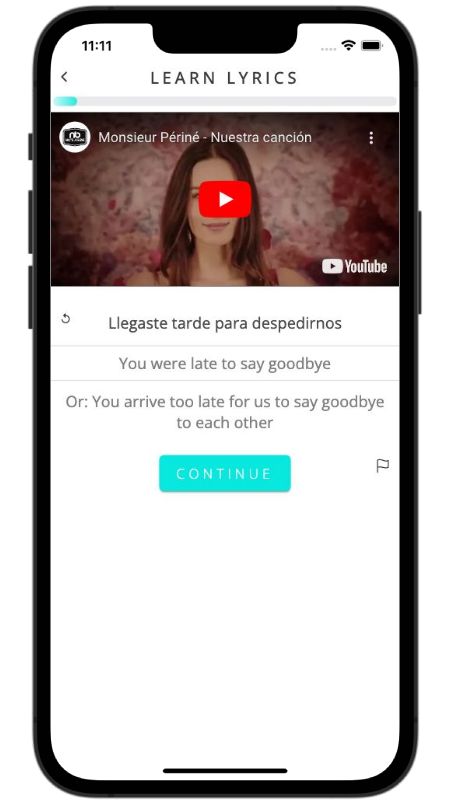
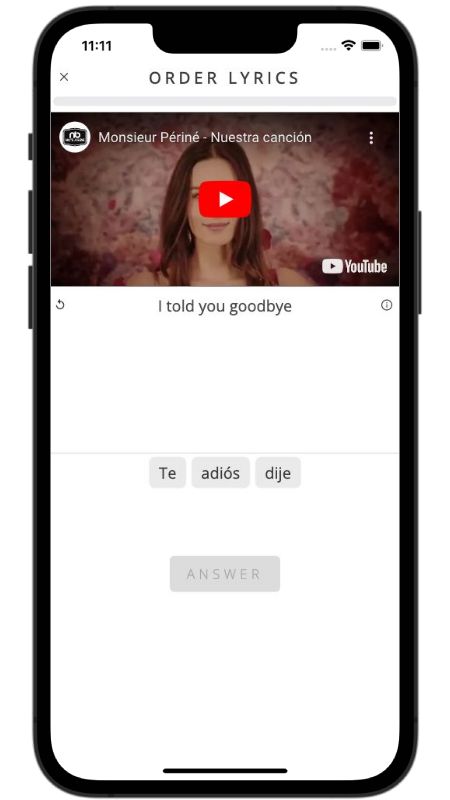
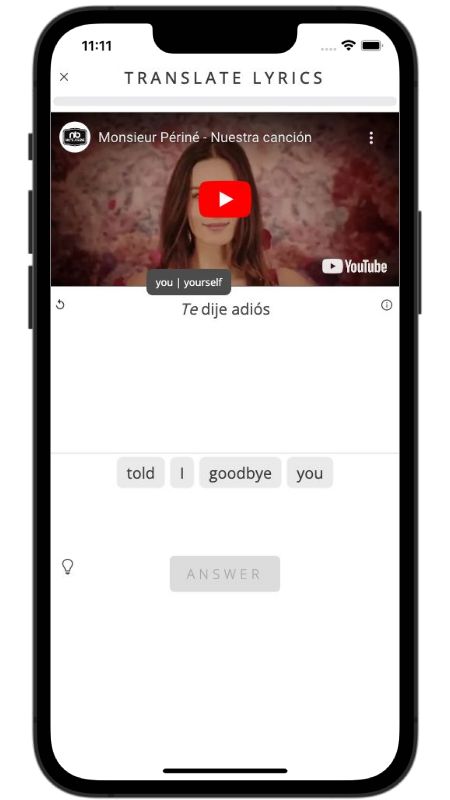
Ever tried breaking up with someone, only to end up writing a song together and falling completely in love instead? That is the sweet mess at the heart of "Nuestra Canción" by Colombian band Monsieur Periné. The lyrics kick off with a missed goodbye: "Te dije adiós / Llegaste tarde para despedirnos" ("I said goodbye to you / You arrived too late for our farewell"). Instead of letting fate bruise them, the narrator finds a cure for heartache by writing the exact tune their partner used to beg for back when feelings were purely one-sided.
From there, the track bursts with colorful, playful affection. The lyrics lean into pure romance with "Con flores / Te llevaste mi tristeza con colores" ("With flowers / You took away my sadness with colors"). The lovers dive into their bond "a ciegas" ("blindly"), hiding their romance and brushing off everyone who opposed them. By the time the catchy chant "Dile a la jardinera que traigo flores / Dile a la jardinera que traigo amor" ("Tell the gardener that I bring flowers / Tell the gardener that I bring love") arrives, the song has turned a failed goodbye into a joyful celebration of shared melodies and bright new beginnings.