Dile Luna Lyrics in English by KAROL G, Eddy Lover
Pechito is the diminutive form of pecho, which means "chest". In Spanish, adding the -ito or -ita suffix is a common way to express affection or denote smallness.
In the song, Karol G tenderly sings, "Este pechito pa' tu frío sigue aquí" (This little chest for your cold is still here). She uses this affectionate term to offer warmth and comfort, turning a simple body part into a symbol of intimate, loving care. It's a perfect example of the warmth and emotion embedded in everyday Spanish.
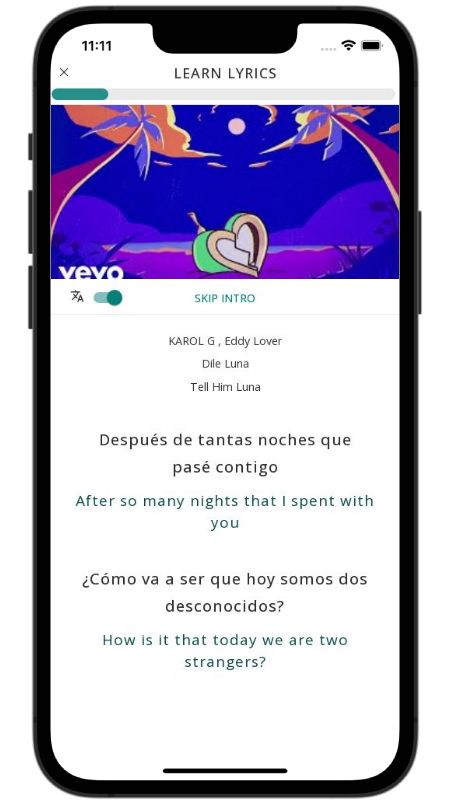
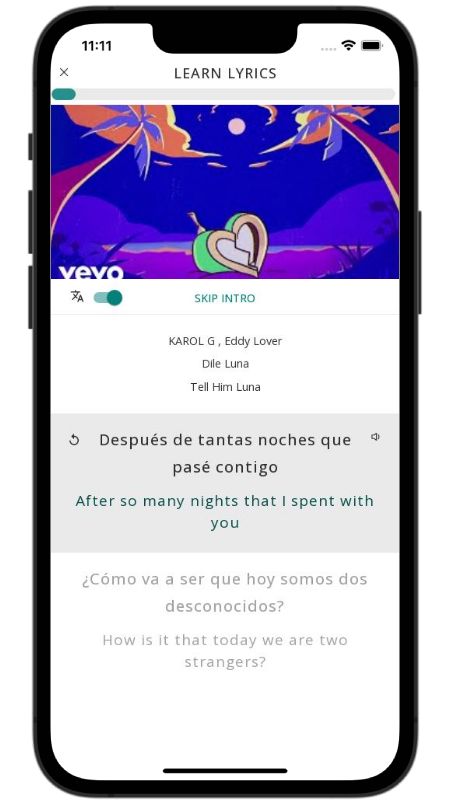
Ever found yourself talking to the night sky because an ex won't answer their phone? That is the whole vibe of "Dile Luna", where Colombian superstar KAROL G links up with Panamanian romantic reggaeton veteran Eddy Lover. They are completely stuck on past memories, staring at the moon and asking it why they feel like strangers now: "¿Cómo va a ser que hoy somos dos desconocidos?" ("How can it be that today we are two strangers?"). The track hits like a dramatic, late-night SOS—literally called "un llamado de emergencia" ("an emergency call")—because being alone is wearing their patience thin.
The lyrics mix sweet nostalgia with playful, affectionate Spanish slang. When KAROL G sings "este pechito pa' tu frío sigue aquí" ("this little chest is still here for your cold"), she uses este pechito (literally "this little chest") as a cute, tender way of saying "my arms" or "me, right here" to offer warmth. Then Eddy Lover drops the most stubbornly honest line of the track: "Que yo la puedo olvidar, pero no quiero" ("I could forget her, but I don't want to"). It is a desperate plea for a second chance, fueled by memories of waking up together and the lingering scent of their hair, even while dreading the fear that the other person might have already moved on.