MI EX TENÍA RAZÓN Lyrics in English by KAROL G
Coroné is the past tense of the verb coronar, which literally means "to crown". It's a word you'd use for a king or queen receiving their crown.
However, in Latin music and modern slang, coronar often means "to succeed," "to win," or "to come out on top." In the song, KAROL G sings "fui yo la que coroné" (I was the one who won), expressing that she is the true winner after finding a new love who is much better than her ex. It's a powerful and triumphant word that captures the song's core message of empowerment.
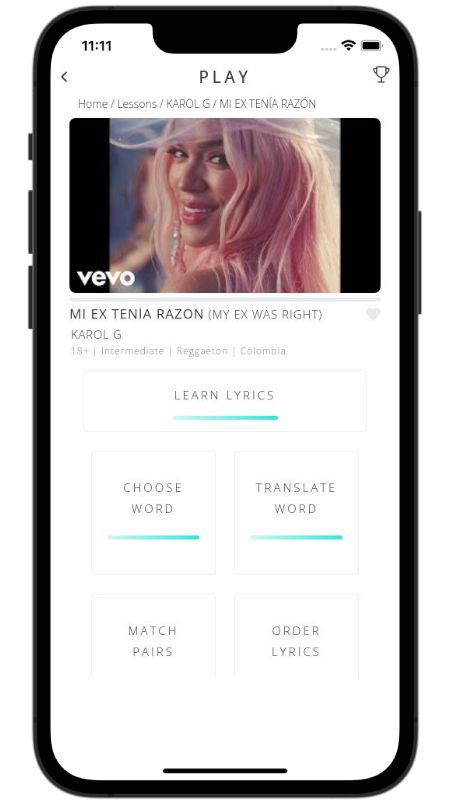
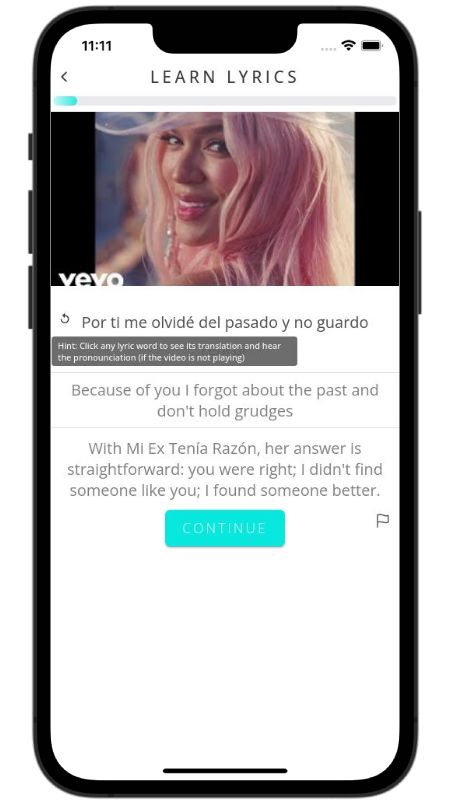
Colombian superstar KAROL G pulls off a hilarious, brilliant plot twist in "MI EX TENÍA RAZÓN". The title translates to "My ex was right", but it is definitely not an apology. She admits her former partner told her "que no iba a encontrar uno como él" (that I wasn't going to find someone like him). Her punchline? He was totally right because she found someone way better! She compares her glow-up to a famous Colombian telenovela character, singing "Me sentía fea como Betty y ahora soy pretty" (I felt ugly like Betty and now I am pretty), a nod to Yo soy Betty, la fea. She calls herself a "maquinón" (a powerful machine or stunning woman) who used to run on empty, but now she is treated with luxury customer care, like walking straight into Fendi.
The track is full of playful, blunt lines about moving on physically and emotionally. She shrugs off past tears with "fui yo la que coroné" (I was the one who won / hit the jackpot), popping bottles of Moët and enjoying someone who finally heals her hurt in bed ("en la cama me curaste to' lo que me dolía"). It is a warm, sunny victory lap about leaving a bad relationship in the dust and enjoying an upgrade who actually treats you right.