No Puedo Vivir Sin Él Lyrics in English by KAROL G
Envejecer means 'to grow old'. It's a beautiful and poignant verb that you don't often hear in pop songs, making it a special word to learn.
In the song, KAROL G imagines a future with her love, singing, "Si llegamos a envejecer, voy a ser quien cuide de usted" (If we get to grow old, I'll be the one to take care of you). This single word beautifully captures the song's theme of a deep, lifelong commitment that she's not willing to lose.
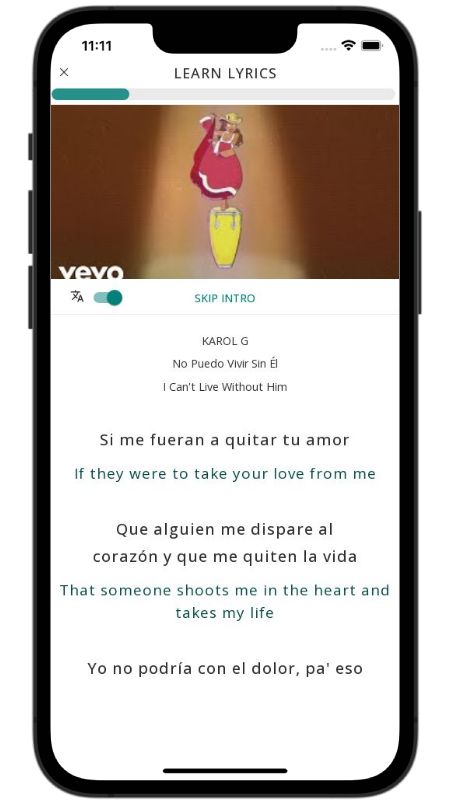
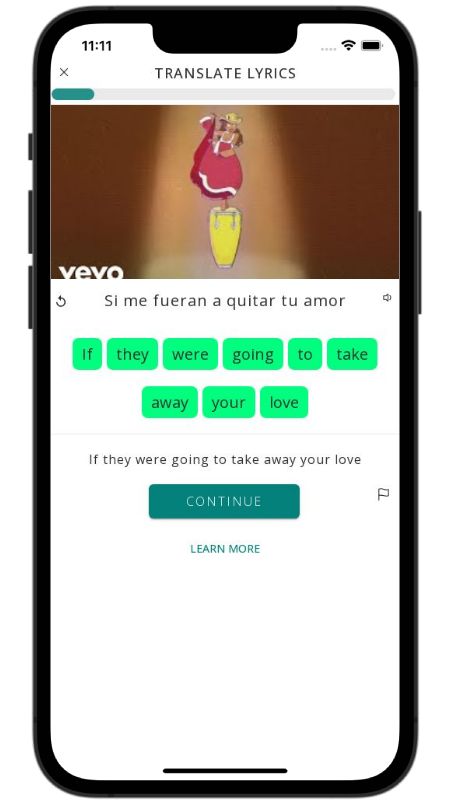
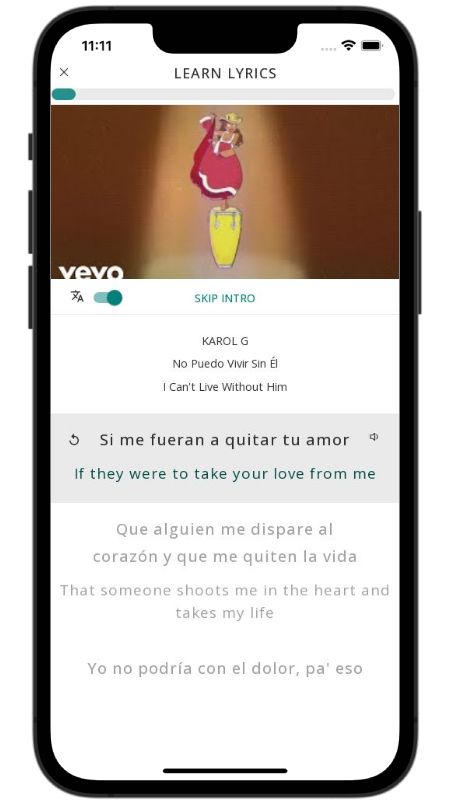
Colombian superstar KAROL G goes straight for absolute drama in "No Puedo Vivir Sin Él", and honestly, it is thrilling to hear someone be this completely over the top about romance. Right out of the gate, she claims that if someone tries to take her partner away, they might as well shoot her in the heart ("Que alguien me dispare al corazón"). She doubles down with the impossibly dramatic hook: "Puedo vivir sin aire, pero no puedo vivir sin él" (I can live without air, but I cannot live without him). It is intense, slightly unhinged, and impossible not to sing along to.
Beyond the theatrical threats of preferring death over seeing him with another woman ("El día que eso me pase, perdóname Dios, yo prefiero morir" [The day that happens to me, forgive me God, I'd rather die]), the song turns sweet and domestic. She envisions growing old together ("Si llegamos a envejecer") and looking after each other. Notice how she uses the formal pronoun usted instead of the casual tú in lines like "Voy a ser quien cuide de usted" (I'm going to be the one who takes care of you). In parts of Colombia, switching to usted with a romantic partner is a common way to express deep intimacy, tenderness, and respect. She even gives a round of applause to whoever invented love ("Aplausos pa' el que lo creó"), using the ultra-common spoken slang pa' instead of the formal para (for).